


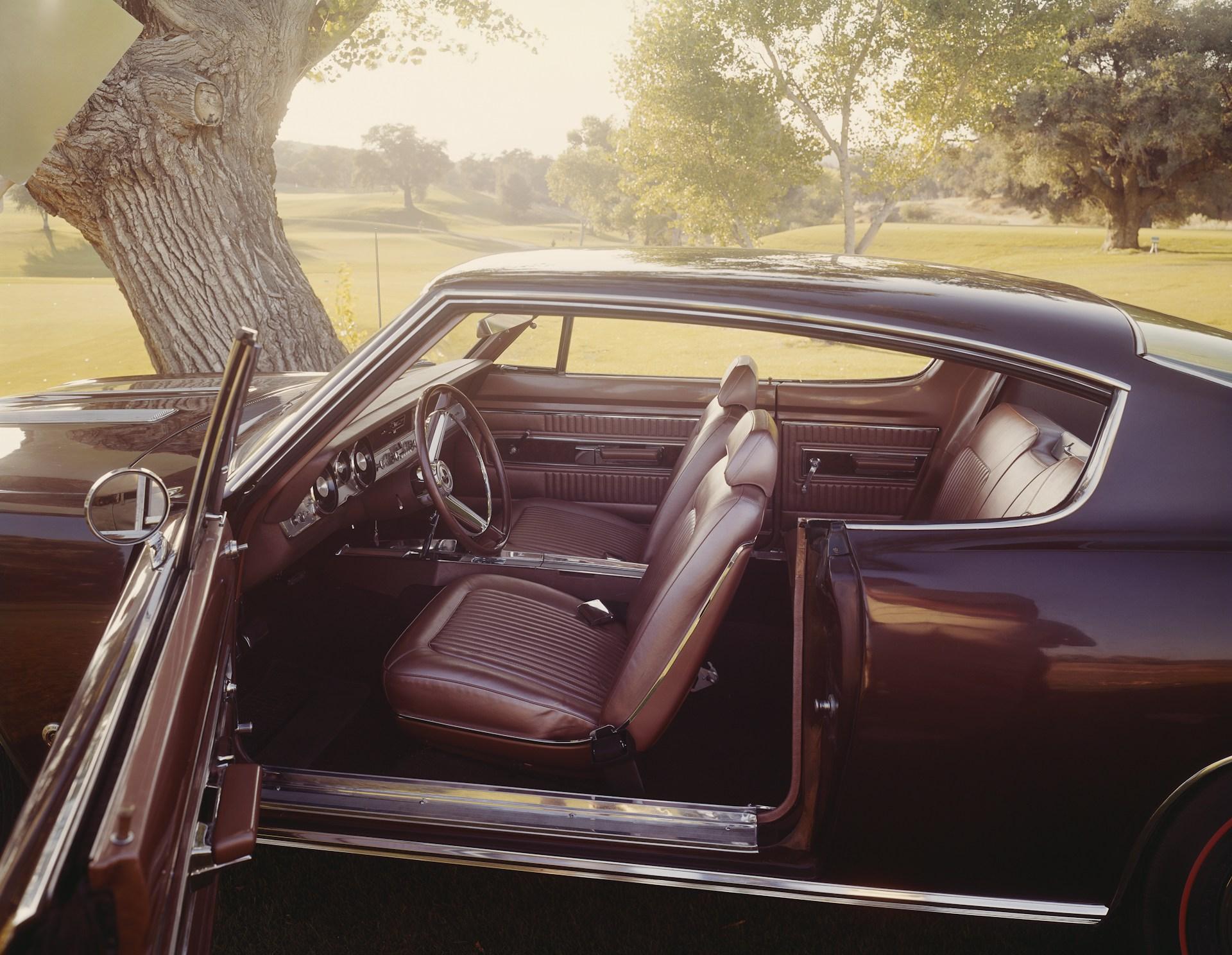
What to Do When Your Classic Car’s Body Kit Doesn’t Fit Properly
Posted on: August 17, 2025 in Tech Tips
Facing the reality of your classic car’s body kit not fitting properly can be a real downer. You’ve invested time, money, and considerable effort to make your vintage vehicle a shining example of automotive history, yet something just isn’t quite right. A misaligned body kit doesn’t just upset the look of your car; it can also lead to unexpected problems down the line. Fortunately, you’re not alone, and there are effective ways to address these issues while restoring your beloved ride to its original glory.
Getting the body kit to fit just right involves a mix of careful inspection, precise measurements, and sometimes reaching out for professional assistance. Knowing where to start can make a big difference, especially when you’re dealing with parts as intricate and varied as hoods, fenders, and quarter panels. We’ll walk you through the process of identifying fit problems and taking practical steps to resolve them, bringing you closer to achieving that flawless finish your car deserves.
Identifying the Problem: How to Tell if Your Body Kit Doesn’t Fit Properly
It’s tempting to dive right in with hopes that everything will fit seamlessly, but reality often tells a different story. Recognizing the signs of a poorly fitting body kit is the first step to fixing the issue. Some common indicators include:
– Visible gaps between panels that should be flush
– Uneven lines or panel overlaps
– Any noticeable distortion in the shape of panels
These signs can affect the aesthetics of your car and also lead to more serious issues if left unaddressed. For instance, misalignment might result in loud rattling noises while driving or allow water to seep into areas where it shouldn’t.
If you’re wondering where these fit issues are most likely to crop up, look closely at the common culprit areas:
– Doors that aren’t level with surrounding panels
– Bumpers not lining up with fender edges
– Hoods and trunk lids that don’t sit perfectly flat
Take a moment to walk around the vehicle and carefully inspect these areas. A thorough inspection now can save substantial time and effort later.
Immediate Steps to Take When You Discover Fit Issues
Finding out that your body kit isn’t fitting as it should be doesn’t have to send you into a tailspin. By following a few preliminary steps, you can begin troubleshooting the situation effectively:
1. Check for part errors: Ensure that each piece of the kit is correctly manufactured and free from defects.
2. Verify the correct part numbers: Make certain that you’re using the parts designed for your specific make and model.
3. Reach out to the manufacturer or supplier: They can offer insights or send replacement parts if there’s a defect.
In some cases, it might just be that the parts need a little tweaking for that perfect fit. But starting with these initial steps helps you get closer to a solution without unnecessary stress.
Solutions for Adjusting and Correcting Fit Problems
When faced with a body kit that isn’t fitting well, adjustments are your best route to resolution. Modifying mounting points is a common solution that can help align panels more precisely. This process involves tweaking the position of mounting brackets or drilling new holes to better fit the contours of your car. Keep in mind this can be a delicate operation, one that may benefit from the steady hand of a professional familiar with muscle cars.
For smaller misalignments, using shims and spacers can do wonders. These small pieces of metal act as fillers, gradually adjusting the position of panels to close gaps or align edges. They’re particularly handy for correcting slight imbalances without significant alterations to the original parts. If you’re not quite sure about doing these adjustments on your own, it might be wise to consult an experienced professional. Skilled technicians can perform these modifications while preserving your car’s integrity, ensuring a precise fit.
Bringing in experts also brings peace of mind, especially when using quality components like Dynacorn parts. These high-grade parts deserve proper installation to truly shine and elevate your classic car’s appearance.
Preventing Future Fit Problems with Classic Body Parts
Mitigation is often better than correction, and ensuring the correct fit starts from the moment you decide to purchase a body kit. By following a few preventive guidelines, you can circumvent many fit-related headaches down the road. Start with accurate measurements of your car’s existing dimensions. This simple step informs your next move, whether you’re buying a new bumper or an entire body kit.
Opting for quality parts from trusted sources can further minimize fitting problems. Consider verifying part specifications and ensure they are compatible with your vehicle’s make and model. This diligence at the selection stage contributes to a smooth fitting process later. Working with a reliable supplier who provides high-quality parts can make a significant difference, impacting not only the fit but the longevity of your restoration work.
Finally, professional installation aids in safeguarding your classic car against fit issues. Pro installers have the skills and know-how to make necessary adjustments without compromising the vehicle’s aesthetics or structure.
Ensuring a Seamless Finish for Your Classic Car
A properly fitted body kit does more than look good—it enhances the overall value of your car. The fitting process plays a pivotal role in restoration, turning a potentially frustrating task into the key to your car’s perfect finish. This attention to detail showcases the craft invested in your restoration process and preserves the timeless appeal of your classic car.
When your body kit fits well, it adds to the car’s design integrity, keeping everything as the original makers intended. Perfect alignment reflects dedication not just to style but also to craftsmanship. And that truly distinct and polished look is entirely attainable.
With these steps and adjustments, you’re well on your way to experiencing the joy only a beautifully restored classic car can offer. You’ll not only see but also feel the difference in the way you drive down the road, showcasing your vehicle as a timeless masterpiece.
Restore your classic car to its former glory with our high-quality panels and parts. If you’re looking to solve current fit problems or avoid future ones, explore our selection of mopar restoration body parts at Classic Body Parts. We offer premium components to help your restoration look and perform its best.
Related Articles
Why Dynacorn Body Parts Give Better Results in Muscle Cars
Turning an old muscle car into a finished build takes more than fresh paint and chrome parts. What you do […]
Guide to Upgrading Classic Car Aerodynamics With UMI Parts
Most people think of engine swaps or suspension tweaks when it comes to improving an old car. Power gets the […]
What to Check When Replacing Classic Mustang Hood Sections
If you’re replacing hood sections on a classic Mustang, there’s more to think about than just swapping out a piece […]