


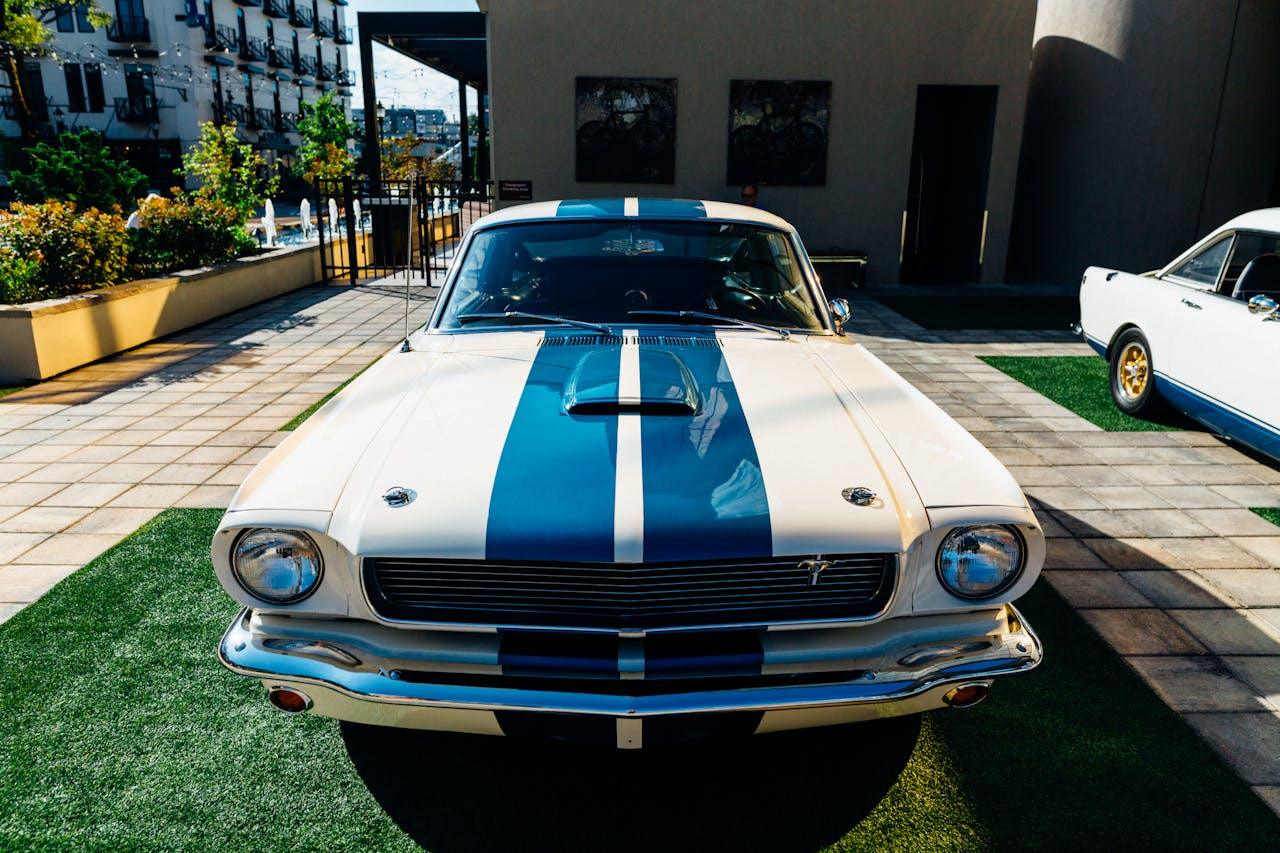
Restoring Classic Car Hoods Effectively
Posted on: September 28, 2025 in Tech Tips
Restoring a classic car hood can be like breathing new life into a historical piece of art. These hoods are not just metal coverings; they are symbols of the vehicle’s character and style. The process of revitalizing them requires attention, patience, and a good plan. This revitalization journey is more than just a task; it’s a way to preserve a piece of automotive history. Whether it’s a sleek race car or a vintage cruiser, each model exhibits distinct characteristics, and restoring the hood is pivotal to maintaining its classic essence.
Engaging with classic car hoods can be challenging but fulfilling. Discovering the intricacies of the hood’s design, gingerly addressing rust spots, and smoothing out dents are all parts of this satisfying endeavor. For those passionate about classic cars, each repair is a step toward preserving the legacy of these beauties, ensuring they remain road-ready and admired for years to come.
Assessing the Condition of Your Classic Car Hood
Before jumping into the restoration process, it’s critical to assess your hood’s current state. This involves a thorough visual inspection to identify any signs of wear and tear. Start by looking for rust spots, which often appear as brown or red discoloration. If caught early, these can be treated, but more severe rust may require replacing the affected sections.
Next, check for dents or structural damage. Small dents can be fixed with basic tools, but larger or more complex issues might need professional attention. Keep an eye out for uneven surfaces, as these can affect the hood’s alignment with the rest of the car when closed.
To make the evaluation process easier, follow these steps:
– Inspect for Rust: Look carefully for any rust indicators, especially around the edges and in hard-to-reach areas.
– Check for Dents: Run your hands over the surface to feel for small dents that are not easily visible.
– Examine Structural Integrity: Open and close the hood several times to ensure it aligns smoothly with the car’s frame.
– Look for Paint Damage: Flaking or chipping paint can lead to more extensive corrosion if left unchecked.
Understanding these issues upfront will guide you in deciding the right approach for restoring your hood effectively. It’s the foundation for ensuring a smooth restoration process and achieving a stunning result.
Gathering Necessary Tools and Parts
With a clear understanding of your car hood’s condition, it’s time to gather the tools and parts you’ll need. Restoring a hood requires some basic tools found in most home garages, but having a few specialized items can make the task smoother. You’ll need:
– Wrench Set: For removing bolts and parts.
– Sanding Block: Essential for smoothing out surfaces after rust removal.
– Body Filler Kit: Useful for fixing minor dents and imperfections.
– Primer and Paint: Choose quality products designed for auto body work.
– Protective Gear: Gloves, goggles, and masks to ensure safety during the process.
Using high-quality restoration parts is key for a successful project. Premium parts from manufacturers like Dynacorn are known for their durability and authenticity, making them a top choice for classic car enthusiasts. These parts fit snugly and restore the original look, adding value and preserving the car’s heritage.
Step-by-Step Guide to Restoring a Classic Car Hood
Armed with the right tools and parts, you’re ready to dive into the restoration process. Following a structured approach ensures each step is efficient and produces desirable outcomes.
1. Removing the Hood Safely: Begin by carefully unbolting the hood from the car. Enlist a friend’s help to ensure it’s done smoothly without damaging other components.
2. Repairing Dents and Minor Damages: Use a body filler kit to tackle small dents. Apply the filler, let it harden, and then sand it smooth with a sanding block.
3. Treating and Preventing Rust: Rust is a common enemy, so it’s crucial to treat any visible spots immediately. Sand down rusted areas until you’re down to clean metal. Apply a rust converter to inhibit further corrosion.
4. Sanding and Prepping the Surface for Painting: After addressing rust and dents, sand the entire hood to create a smooth surface. This step is important for the primer and paint to adhere properly.
5. Painting and Finishing Touches: Finally, apply primer and allow it to dry completely. Follow with your choice of paint, allowing each coat to dry thoroughly before applying the next. Top it off with a clear coat for protection and shine.
Tips for Maintaining Your Restored Hood
Regular maintenance is essential to keeping your restored hood in top condition. Wash your car regularly to remove dirt and debris that can cause scratches and corrosion. Applying a high-quality wax periodically will protect the paint and keep that shiny finish intact. Seasonal care plays a crucial role as well. In colder months, ensure the hood is dry to prevent rust, and in warmer months, use a car cover to protect it from harmful sun rays.
Enjoying the Results of Your Restored Classic Car Hood
Completing a restoration job leaves you with a sense of accomplishment. You’ve not only preserved the hood’s structure but also rejuvenated its aesthetic appeal. Seeing the sheen and polished look of the refreshed hood is truly rewarding and showcases your dedication.
Appreciate the fruits of your labor each time you spot your classic car parked ahead or cruising down the street. The head-turning admiration from onlookers will make the effort truly worthwhile. Celebrate the journey, knowing you’ve played a part in preserving automotive history for future generations to enjoy.
Embrace the satisfaction of your completed restoration project by making sure all your future work is supported with quality that lasts. Explore our selection of classic car restoration parts to keep your vehicle in top shape, with trusted products from leading manufacturers like Dynacorn. Classic Body Parts is here to match your passion with parts that deliver lasting results.
Related Articles
Why Dynacorn Body Parts Give Better Results in Muscle Cars
Turning an old muscle car into a finished build takes more than fresh paint and chrome parts. What you do […]
Guide to Upgrading Classic Car Aerodynamics With UMI Parts
Most people think of engine swaps or suspension tweaks when it comes to improving an old car. Power gets the […]

What to Check When Replacing Classic Mustang Hood Sections
If you’re replacing hood sections on a classic Mustang, there’s more to think about than just swapping out a piece […]