


How to Troubleshoot Common Issues with Classic Car Restoration Parts
Posted on: April 22, 2025 in Tech Tips
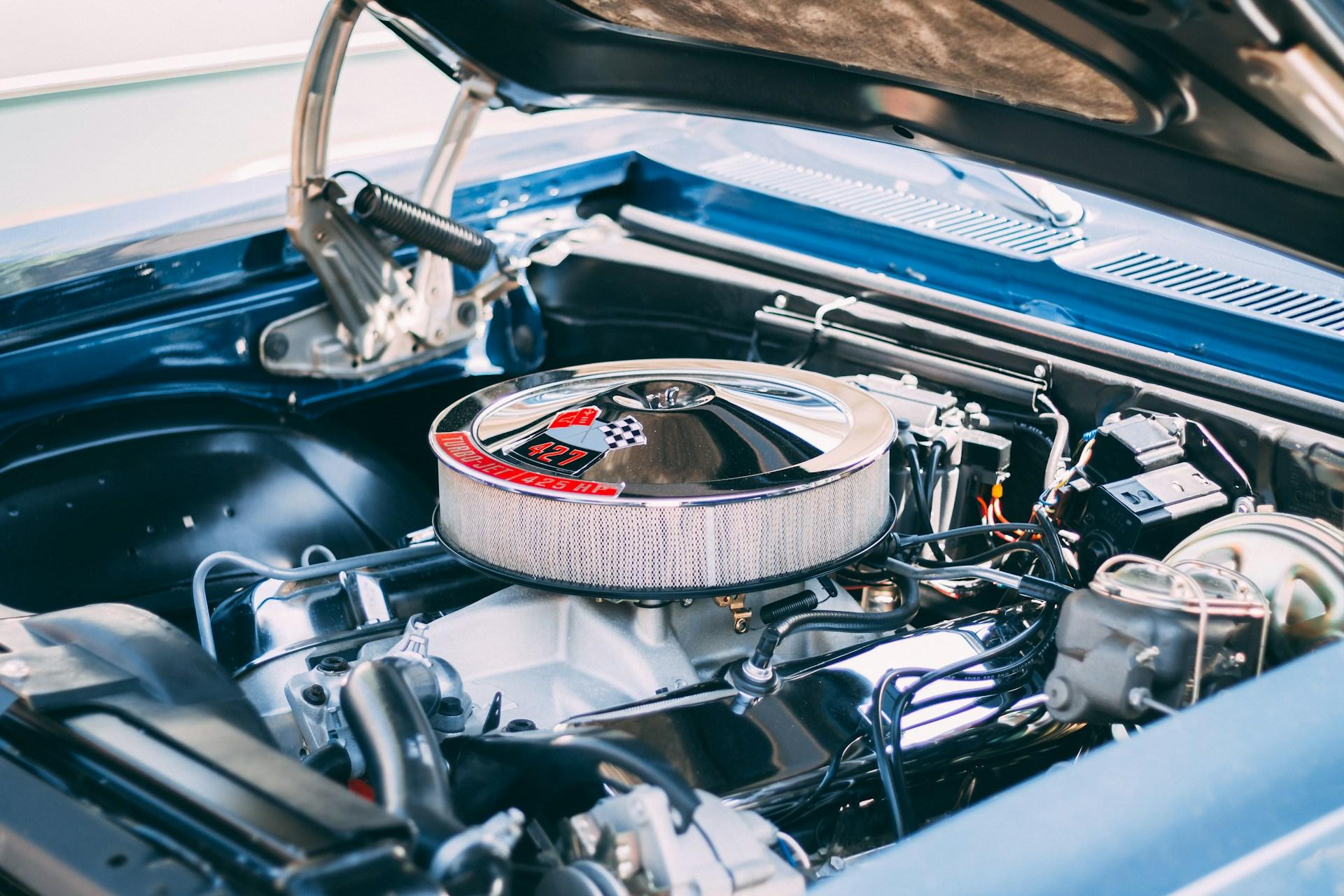
Keeping a classic car in pristine condition is more than just a hobby; it’s a labor of love that requires dedication and attention to detail. Enthusiasts want these vehicles to look stunning and function reliably on the road. Classic car parts are the backbone of this effort, as they maintain the authenticity and charm of these beloved machines. But what happens when these parts start showing signs of age or begin to falter? Troubleshooting these issues can seem tricky, but with the right guidance, anyone can ensure their vintage vehicle stays in top shape.
Did you know that many classic cars on the road today are more than 40 years old? This incredible lifespan shows their durability, but it also means that parts may sometimes need extra care. From identifying wear and tear to addressing performance hiccups, understanding the common issues with restoration car parts can make the journey of maintaining a classic car smoother and more enjoyable.
Identifying Wear and Tear on Classic Car Parts
Classic cars, being the treasures they are, deserve the best care to keep running smoothly. Spotting signs of wear and tear early can save a lot of headaches later on. Here are a few telltale signs that your classic car might need some attention:
– Faded or cracked paint: A cosmetic issue that can indicate underlying rust or exposure to harsh conditions.
– Unusual noises: Clicking or grinding sounds might point to issues with brake components or the transmission.
– Leaky seals: Oil or coolant spots under the car often hint at leaky gaskets or seals.
– Loose or wobbly panels: A sign of weakened or corroded mountings.
Regular inspection is key to keeping these parts in check. This isn’t just about giving your car a quick once-over. Dive into the details. Check under the hood, look at the suspension, and feel for any unusual vibrations while driving. Taking the time to closely monitor these aspects can prevent more significant problems from developing. And remember, it’s not just about fixing problems as they arise. Consistent maintenance and getting to know the quirks of your classic can help keep it in its prime condition for years to come.
Troubleshooting Performance Issues
Classic cars have character, and sometimes that character shows in the way they drive. Recognizing and fixing performance issues is key to keeping your car in tip-top shape. Some common problems include engine stalls, transmission slips, and brake malfunctions. Let’s look at how to tackle these:
1. Engine Stalls:
– Check the fuel filter for clogs that restrict fuel flow.
– Inspect spark plugs for wear or fouling.
– Ensure the air filter isn’t blocked, as it’s important for proper combustion.
2. Transmission Slips:
– Verify that transmission fluid levels are correct and replace the fluid if it’s dirty.
– Examine the clutch for excessive wear in manual vehicles.
3. Brake Malfunctions:
– Listen for grinding noises that signal worn brake pads.
– Feel for a soft brake pedal, which can indicate air in the brake lines.
Over time, parts wear out. Identifying these issues early helps maintain that smooth ride we all love. If you notice persistent problems or something doesn’t feel right, it might be time to consult a professional. They can offer expert advice and solutions tailored to classic cars specifically.
Fixing Cosmetic Damage
Nothing beats the sight of a gleaming classic car. Still, over the years, cosmetic damage like dents or rust can happen. Addressing these imperfections helps preserve the car’s beauty and value. Here are some tips:
– Dents: Utilize a suction cup dent puller for small dents, but leave bigger repairs to an expert.
– Rust: Treat surface rust early with sandpaper or a rust converter to prevent spread.
– Scratches: Use touch-up paint to cover minor scratches, ensuring color matches your original paint.
It’s important to use proper restoration car parts during cosmetic repairs to maintain authenticity. The idea is to make the repairs as seamless as possible while preserving the vehicle’s classic appeal. By taking care of these little details, you’re honoring the history and craftsmanship of your classic car.
Ensuring Compatibility with Modern Parts
Sometimes, integrating modern parts into a classic car can be tricky. While it might seem helpful to substitute with newer parts, they might not always fit perfectly. Issues like mismatched bolt patterns or size differences can arise.
To ensure a proper fit:
– Verify dimensions and specifications of modern parts before purchasing.
– Consult with a specialist who understands combining modern and classic parts.
– Use dynacorn body parts, recognized for their compatibility with classic models.
Installing modern parts without disrupting the car’s vintage performance requires attention and expertise. Partnering with those who understand these nuances can ensure your car retains its original charm while enjoying modern reliability.
Keep Your Classic Car Running Smoothly
Regular maintenance and timely repairs go a long way in keeping your classic car running smoothly. By addressing issues promptly and using the right restoration car parts, you maintain the car’s value and appeal.
Your classic car is more than just a vehicle; it’s a piece of history. It tells stories of a different era and needs special attention to stay on the road. While tackling some of these issues can be done at home, some may require professional help. Seeking expert advice ensures you preserve the car’s unique qualities while keeping it operational.
Quality restoration parts are vital to maintaining performance and appearance. Knowing what to look for and when to act makes the journey with your classic car rewarding. Treat your car with the care it deserves, and it’ll continue to turn heads and bring joy for years to come.
To keep your classic car in prime condition, make sure you’re using the best parts for classic car restoration. Classic Body Parts offers a wide selection tailored to your vehicle’s needs. Whether you’re dealing with performance issues or cosmetic fixes, using the right parts ensures your classic rides smoothly and looks stunning for years to come.
Related Articles
Why Dynacorn Body Parts Give Better Results in Muscle Cars
Turning an old muscle car into a finished build takes more than fresh paint and chrome parts. What you do […]
Guide to Upgrading Classic Car Aerodynamics With UMI Parts
Most people think of engine swaps or suspension tweaks when it comes to improving an old car. Power gets the […]

What to Check When Replacing Classic Mustang Hood Sections
If you’re replacing hood sections on a classic Mustang, there’s more to think about than just swapping out a piece […]