


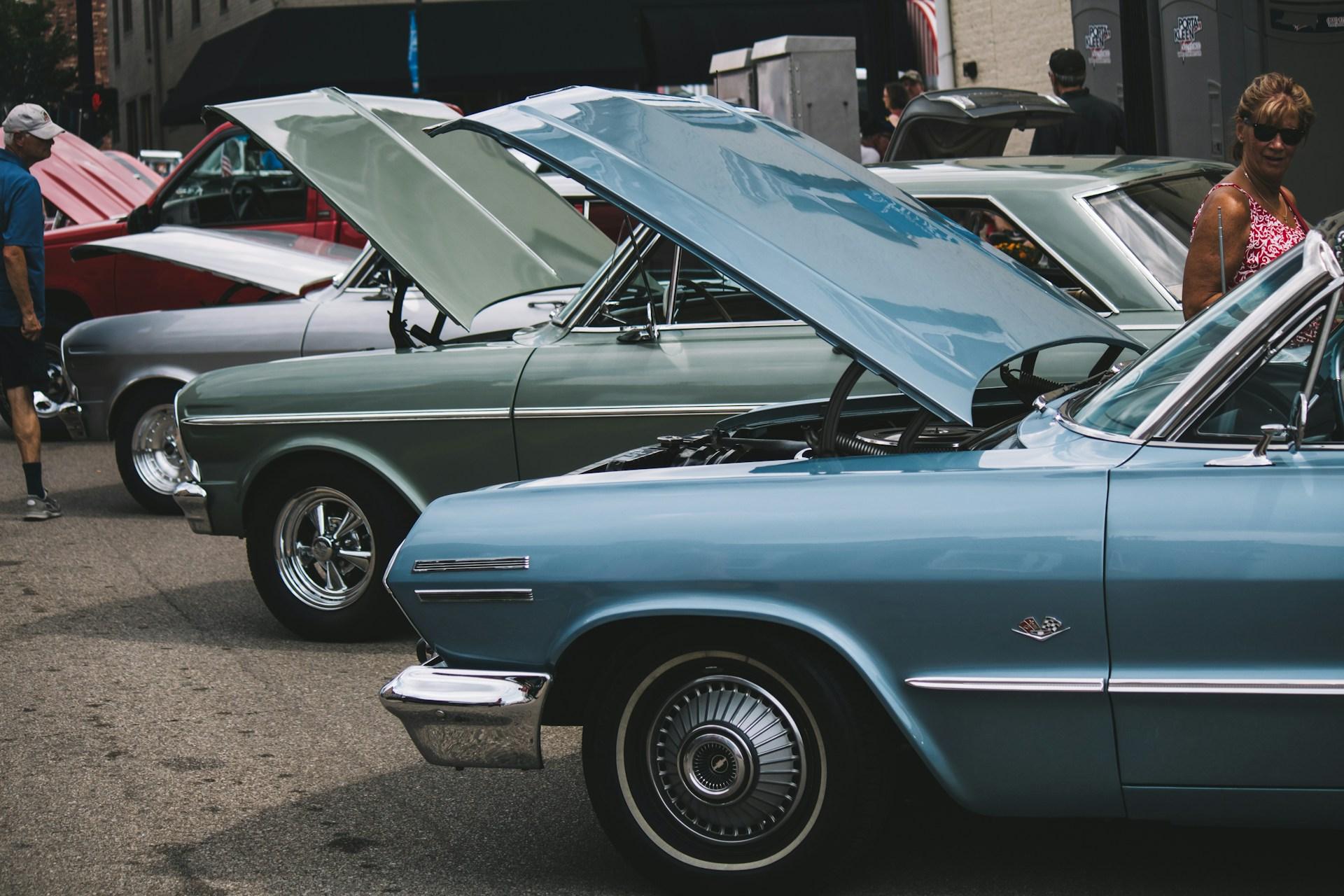
Troubleshooting Common Issues with Classic Car Hoods
Posted on: June 23, 2025 in Tech Tips
Classic cars hold a special place in the hearts of enthusiasts, with their timeless design and unique character. Maintaining these vintage vehicles involves a level of care to preserve their beauty and keep them roadworthy. One significant component that often requires attention is the hood. As the protector of your car’s engine and fundamental to its overall look, the hood plays a big role in the vehicle’s structural integrity.
Over time, classic car hoods can develop a range of issues, from rust spots to misalignment. These problems not only mar the vehicle’s appearance but can also affect safety and functionality. Uneven surfaces or stuck latches may lead to further damage if not addressed quickly. Understanding these potential challenges and knowing how to troubleshoot them is key to keeping your classic car in top condition. So, let’s look into the common issues you might encounter and how to tackle them effectively.
Identifying Common Hood Issues
Hood issues are inevitable as cars age, but identifying them early can make repairs easier and prevent further deterioration. Here are some frequent problems you might face:
– Rust: Often spurred by moisture and environmental conditions, rust is a common adversary for classic car owners. It begins with small, inconspicuous spots that can expand quickly if untreated, compromising the metal’s integrity.
– Dents: These can occur from minor accidents or even simple mishaps in the garage. While they may seem merely cosmetic, dents can lead to more severe structural issues over time.
– Misalignment: A hood that doesn’t sit correctly could be a sign of a deeper alignment problem. This issue not only affects aesthetics but can also hinder functionality, causing difficulties in opening or closing the hood.
– Stuck Latches: A latch that refuses to budge is more than an annoyance; it can keep you from accessing the engine for necessary maintenance or lead to more complex technical problems.
Each of these problems has its own set of causes. For example, rust arises mainly due to exposure to moisture without proper protection, while misalignment could result from a poorly executed previous repair or accident. Regular inspections are crucial for catching these issues early and planning timely repair efforts.
Diagnostic Steps for Hood Issues
Diagnosis is the first step in handling hood issues, allowing you to address the root of the problem. Here’s a guide to help you accurately diagnose common issues:
1. Rust Check: Begin with a visual inspection. Look for orange or brown patches along seams and edges where moisture might collect. Remember, even small spots deserve attention.
2. Inspect for Dents: Run your hand gently over the hood’s surface to feel for irregularities. While some dents are visible, subtle ones might require a touch inspection.
3. Alignment Test: Close the hood and check how it aligns with the windshield and side panels. Gaps, uneven surfaces, or difficulty in closing indicate potential misalignment.
4. Latch Functionality: Operate the hood release mechanism several times to ensure it opens and closes smoothly. If you experience resistance or the latch sticks, it requires immediate attention.
Taking these steps can prevent minor issues from evolving into costly repairs down the line. Knowing your car’s physical condition aids in planning effective maintenance strategies, ensuring your classic car hood remains both functional and visually appealing.
Repairing and Restoring Classic Car Hoods
Once you’ve identified the issues with your classic car hood, it’s time to focus on repairing and restoring it. Having the right tools and high-quality parts is crucial for this task. Consider investing in components from reputable manufacturers like Dynacorn, known for producing some of the finest restoration parts available.
To tackle rust, start by sanding down the affected areas until you reach clean metal. Apply a rust inhibitor to prevent future corrosion, then use a high-quality primer to prepare the surface for painting. Finish by applying a protective coating to shield the metal from moisture and further rust development. This process helps in maintaining the hood’s structural integrity and aesthetic appeal.
When dealing with dents, you’ll need specific tools like a rubber mallet, body filler, and sandpaper. Use the mallet to carefully tap out minor dents from the inside. For larger or inaccessible ones, applying a layer of body filler can help in smoothing out imperfections. Sand the area until smooth and repaint as needed for a uniform look.
If misalignment is your problem, start by checking the hinges and bolts. Loose or worn-out components can cause the hood to sit unevenly. Tighten or replace these parts as necessary to ensure the hood closes correctly. When the latch sticks, it might require lubrication or replacement. Applying a penetrating oil can help loosen it. Sometimes, adjusting the striker plate or latch itself may be necessary to achieve smooth operation.
Preventive Maintenance Tips
A little preventive care can go a long way in keeping your classic car hood trouble-free. Regular cleaning and waxing are essential to protect the paintwork and metal underneath. This routine not only maintains the hood’s appearance but also provides a barrier against moisture, minimizing the risk of rust.
Inspections should be part of your car maintenance schedule. Evaluate the hood for any signs of wear or damage, focusing on potential problem spots like hinges, latches, and edges where rust might begin to form. Address minor issues immediately to avoid expensive repairs in the future.
Investing in reliable products designed for classic cars can also help maintain your hood. Look for specialized waxes and cleaners that cater to vintage vehicles, providing protection tailored to older car materials. Selecting quality parts and practicing proper maintenance will keep your hood in top shape for years to come.
Ensuring Your Classic Car Hood Stays in Top Shape
Addressing hood issues as soon as they arise ensures your classic car remains both functional and visually appealing. By regularly checking and maintaining your car’s hood, you avoid long-term damage and preserve the vehicle’s value.
Remember, using high-quality parts makes a significant difference in the longevity and performance of your car. Following consistent maintenance practices and staying proactive about repairs keeps your classic car looking its best and running smoothly. Reliable parts and timely attention make sure your vintage vehicle remains a treasured classic.
To keep your vintage vehicle looking its best and running smoothly, always address hood issues promptly and choose quality parts for repairs. For reliable and high-quality classic car restoration parts, count on Classic Body Parts for body panels, hoods, fenders, and more to match your restoration goals.
Related Articles
Why Dynacorn Body Parts Give Better Results in Muscle Cars
Turning an old muscle car into a finished build takes more than fresh paint and chrome parts. What you do […]
Guide to Upgrading Classic Car Aerodynamics With UMI Parts
Most people think of engine swaps or suspension tweaks when it comes to improving an old car. Power gets the […]

What to Check When Replacing Classic Mustang Hood Sections
If you’re replacing hood sections on a classic Mustang, there’s more to think about than just swapping out a piece […]