


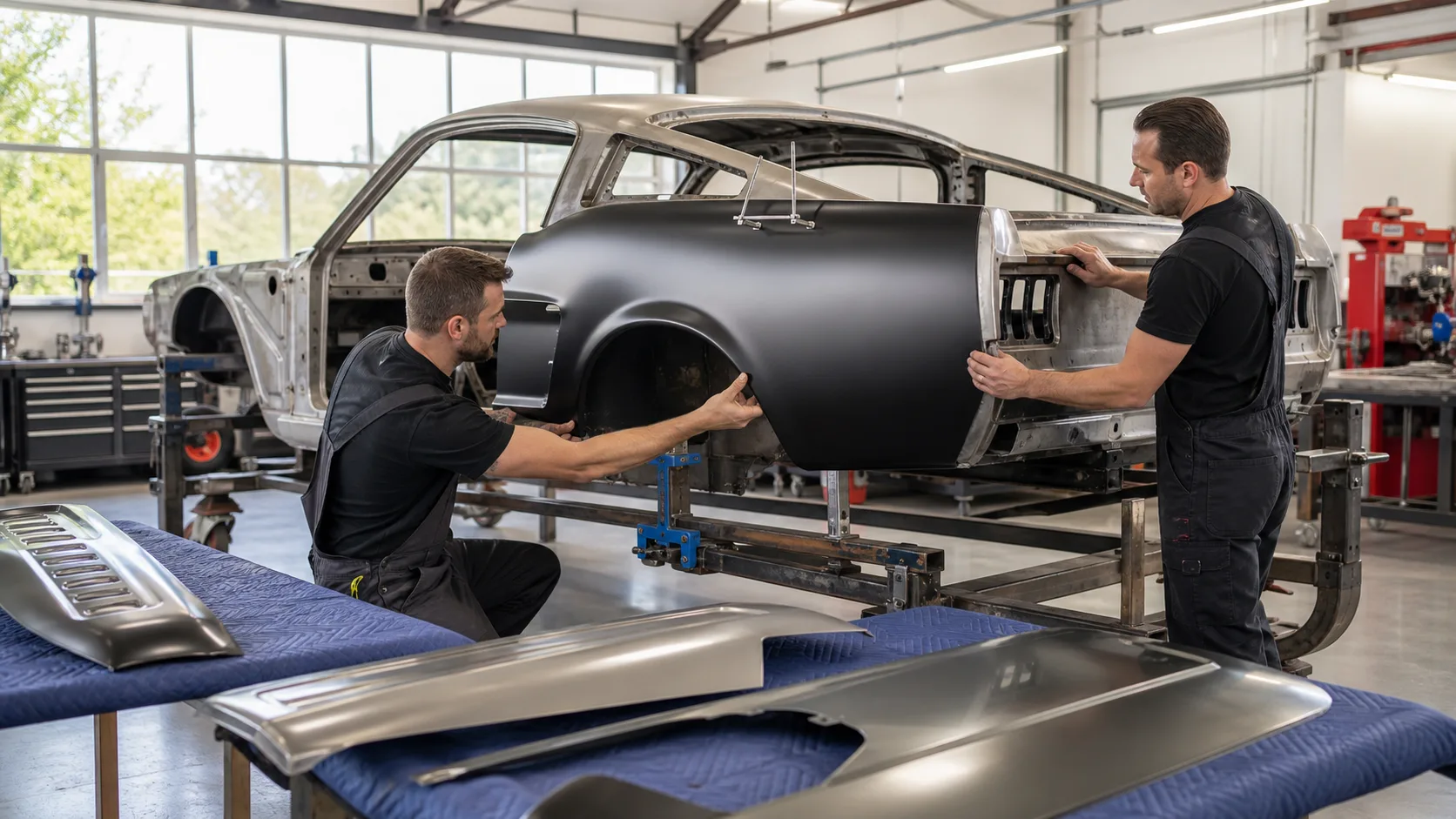
Steps to Use Dynacorn Sheet Metal for Mustang Fastback Builds
Posted on: November 12, 2026 in Restoration Guides
Restoring a Fastback Mustang is more than a repair project. It’s how a lot of car owners connect back to a vehicle that shaped muscle car history. But not every Fastback is ready to lay down paint and hit the road. The body has to be solid first, and that depends on the panels you pick.
One of the most important choices in a build like this is the sheet metal. And for Mustang Fastbacks, Dynacorn sheet metal stands out. These parts match the shape, lines, and strength of the original design, making them a top option when factory fit matters. Swapping panels isn’t always as simple as it sounds, but when the blueprint is strong and the material is right, the process goes smoother. High-quality parts save time, help hold shape long term, and keep future rework from piling up.
Understanding What Makes Dynacorn Panels a Reliable Pick
Not all replacement panels are made the same. For Mustang Fastbacks, precision fit and clean edges matter more than ever because the body lines are one of the car’s best features. Dynacorn has built a reputation for pieces that land where they should.
Here’s what makes them stand out:
- They’re made with steel that matches the thickness and strength of the original factory parts
- The panels hold true to the shape of each generation, including the curves, angle breaks, and stamped ribs
- Mounting holes and bracket points are already built in, so lining up new parts to old structures doesn’t take guesswork
Factory seams matter. If your roof skin, quarters, or doors don’t land flush with each other, it shows. But Dynacorn’s gear tends to fall into line clean, which helps your gaps stay tight and stay that way once the car’s back on the ground.
Prepping for Your Mustang Fastback Build Before Metal Work Starts
Before you even start removing panels, there’s real value in inspecting what you’ve already got. Over time, frames sag. Hidden rust spreads behind old filler. Mount points may have bent from earlier fixes or collision damage. You don’t want to throw a perfect fender onto a crooked edge.
Here are smart prep steps to take early:
- Look over the frame rails for sag, cracks, or twist
- Strip off old filler and inspect for deep rust where patches went over hot spots
- Confirm all mounting tabs are where they should be and not shifted from original layout
- Use a light grind to clean up weld points and smooth down rough bracing areas
Reinforcement helps too. If the car was previously patched in a hurry, bracing behind the skin may have gone missing. Check for bracing behind quarter glass, trunk corners, or rocker seams. It’s better to fix those now than after the new panel’s already bonded in.
Step-by-Step Use of Dynacorn Sheet Metal for Major Mustang Areas
Getting Dynacorn sheet metal on your Mustang Fastback is easier to work through when you tackle the project by area. Trying to do it all at once usually ends with gaps that don’t match.
For solid installs, follow the flow from rear to front:
- Start with the rear quarter panels. These hold important shape connections to the trunk, roof, and doors
- Line up the trunk drop-offs and outer wheel wells to the new quarters carefully. Use the factory seam to hold placement
- Next, check roof skins and tail panels. Test-fit the roof before welding. Sight it from both sides
- Move forward into fenders and header panels. Door and hood gaps will shift if alignment is off, so dry-fit the hood early
Always fit everything up before welding or priming. Shrinkage or edge gap from one corner can throw off the next, especially if you lock panels in the wrong order. It takes longer, but paying attention now stops you from needing to cut or shim later.
Avoiding Common Fitment Mistakes That Slow Down Restorations
We’ve seen too many Fastback restorations stall because small prep steps were skipped. Maybe it seemed fine to leave a bracket rusted on. Maybe the inner skirt got held on by a few spot welds. Either way, a poor fit shows fast.
Fitment jobs often go wrong because of:
- Bracket changes made by past repairs that no longer line up to factory holes
- Rusted structure shifting the alignment of the front or rear clip
- Reinforcements behind key points, like the door jamb or rear glass, missing or bent
The shortcut isn’t worth it. Dynacorn gives full replacement options, so leaning into full panel swaps can help skip alignment fights that come from patchwork jobs. If you only replace a section but still lean on an older, cracked seam, you invite warping or movement down the road.
Finishing Touches That Set Up Spring Paint and Trim Work
With a build going into late fall, this is the time to set your body panels up strong for colder weather. Do the last check now while temps still let primers and sealers set.
Here’s what helps before winter really hits:
- Seal all bare metal, even inside corners or patch holes, to protect from damp garage air
- Double-check trim holes line up with the moldings you plan to run
- Confirm clearance on fenders, trunk, and doors after bolting in
- Lid gaps should be adjusted before panels shrink from cold or humidity swings
You can even mock up brightwork placement without locking it down. Getting a clean test fit now saves you from digging into bodywork again when spring rolls around. That’s when most projects want paint, and it’s good to hit that stage without needing to undo the previous round of prep.
Built to Last With Smart Sheet Metal Choices
Using Dynacorn sheet metal on a Mustang Fastback isn’t just a matter of part brand. It’s a way to keep body lines tight, mounts landing square, and full panel swaps as smooth as possible. When the parts match factory specs, they cooperate with everything else around them.
Good fit means less rework, better strength around seams, and a cleaner finish once parts are welded up. With colder months ahead, taking the time to set your body panels in place helps keep everything on track for a smoother build next season. Solid starting points give you more options, better results, and fewer cutbacks later when the project starts to come together.
At Classic Body Parts, we know that moving your Mustang Fastback project forward takes panels that fit right the first time and save you from extra work down the road. That’s why we stock quality brands you trust, with full body pieces shaped to original specs for a smooth installation and long-term results. Explore our selection of Dynacorn sheet metal for your next phase, or let us know if you have questions so we can help plan your next steps.
Related Articles
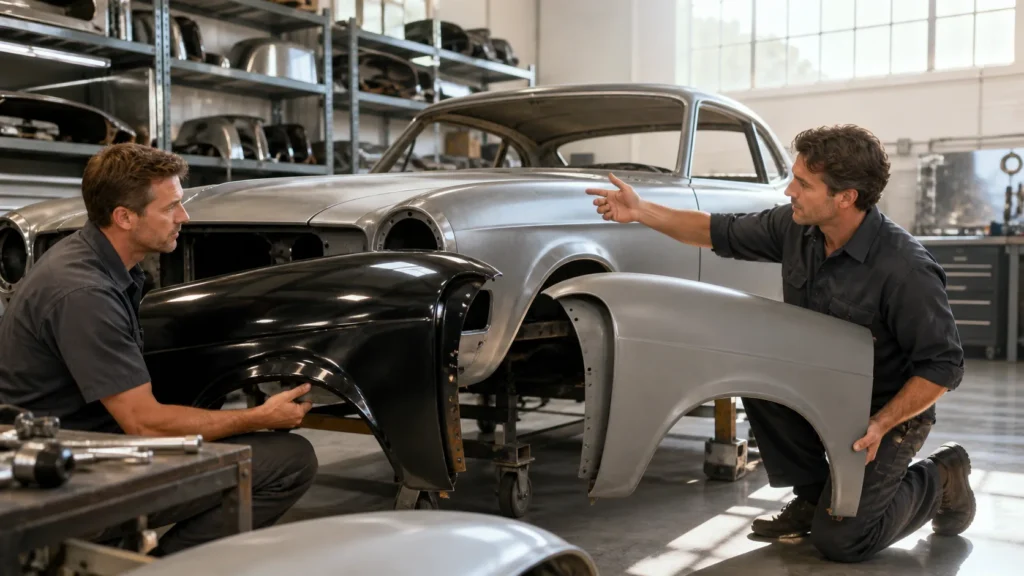
Why Improper Panel Ordering Hurts Classic Car Restoration
Matching Camaro body panels by year isn’t always as simple as it sounds. From the outside, many model years may look similar, but small shifts in body lines,…
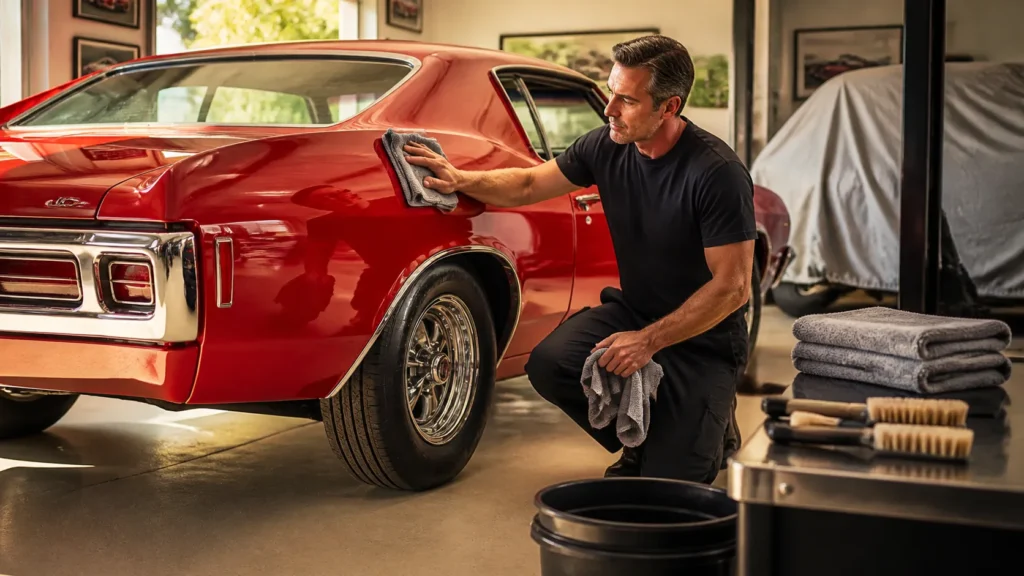
Tips for Cleaning Your Chevelle’s Exterior Panels Before Storage
Late fall is a smart time to start prepping your Chevelle for winter. The temperature drops, the days get shorter, and if your car is sitting for a few month…
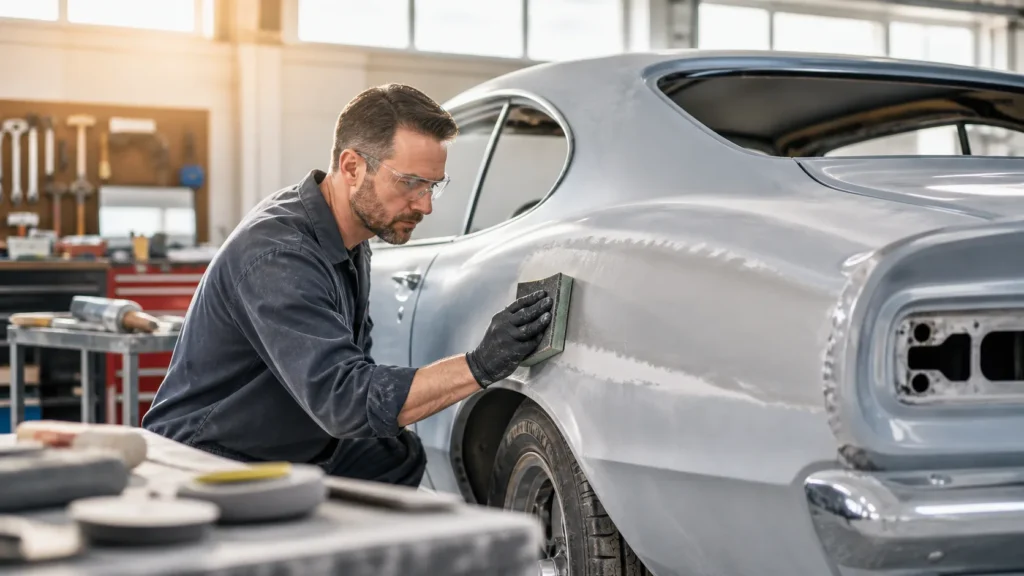
How to Smooth Out Quarter Panel Welds Before Coating
Smoothing out welds on classic car quarter panels can be one of the most satisfying steps in restoration. When this part of the body looks clean and blends n…