


Understanding When to Replace Tricky Mustang Side Panels
Posted on: November 26, 2026 in Restoration Guides
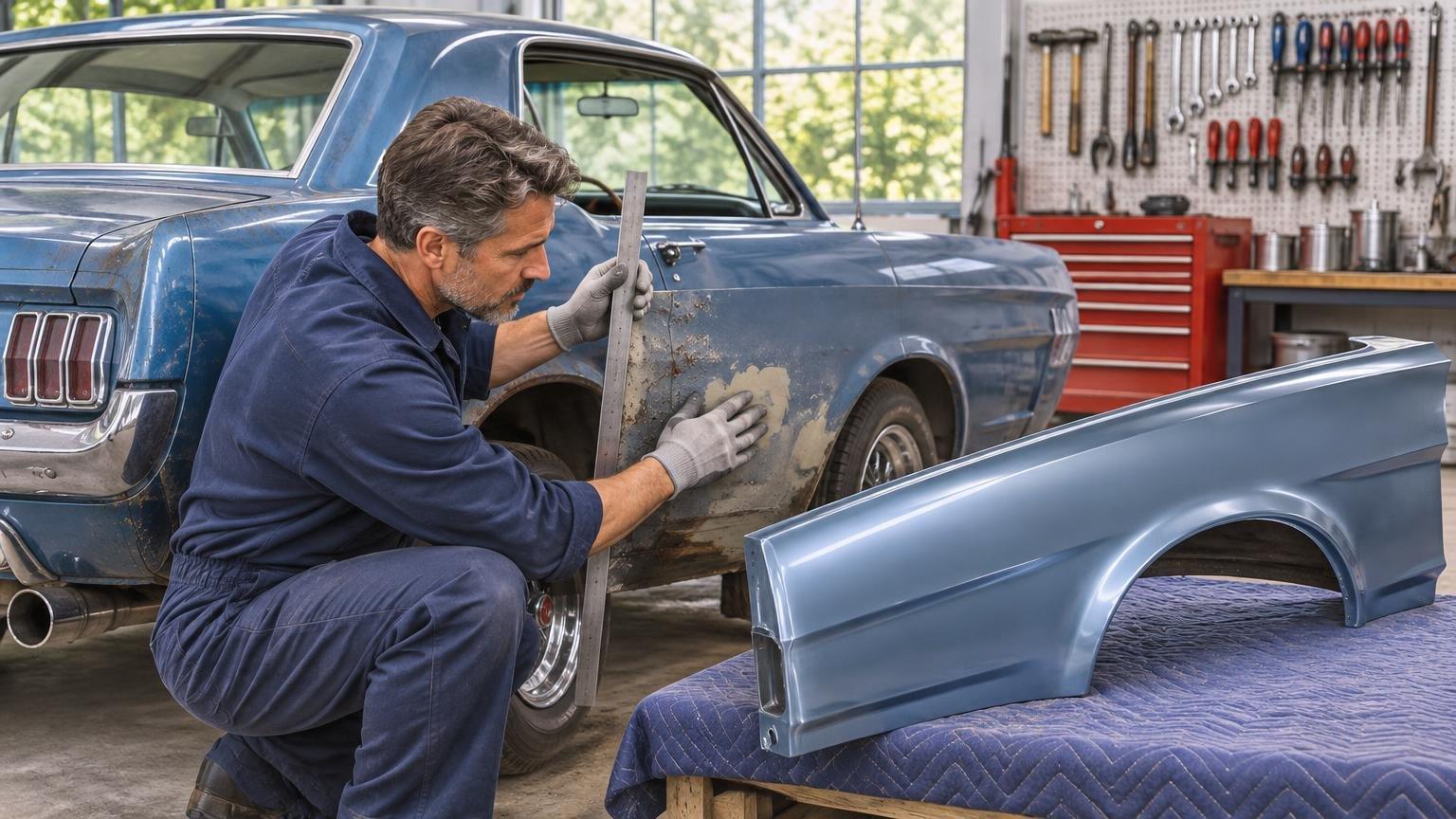
Mustang side panels seem to take on more wear than most other exterior parts, especially as the seasons shift and moisture starts creeping into seams. Cold temperatures don’t just chill the surface, they tighten up metal, shrink seals, and sometimes expose hidden damage that wasn’t visible during warmer months. That is when the trouble around these side sections tends to grow fast.
From bubbling paint to warped fitment, classic Mustangs can start showing signs that the original panels are not holding the way they used to. Keeping an eye on Mustang sheet metal panels during fall can prevent deeper rust and make sure things still line up the way they should before winter locks everything in.
How Side Panels Take Damage Over Time
Mustang side panels live low and wide, meaning they pick up everything the road throws at them, from loose gravel to salt spray. Over the years, that sort of wear does not just chip paint, it grinds away at protective coatings and gives moisture a way in. During the cooler months, condensation sticks longer and seeps deeper. Without warning, what looks solid on the outside starts bubbling up inside.
Factory sheet metal, especially the older steel used in earlier models, was not made to last forever. As the panels age, the problem spots tend to pop up lower first, toward the rocker panels and just behind the doors. Repeated exposure to water runoff or road debris usually sends these corners into early rust. Add some freezing temps, and it speeds up the breakdown under the surface.
Here is where damage usually starts showing up first:
- Bottom edges near wheel openings
- Inner lips along the rockers
- Rear corners behind the side scoop or fender line
Once water starts creeping behind seams or under weakened paint, metal fatigue is not far behind.
Signs That Your Side Panels May Need Replacing
Surface rust may be easy to spot, but not every warning sign jumps out. Side panels, especially on Mustangs, have a way of hiding their trouble. It usually starts quietly: a faint bubble under the paint, a strange shape along the lower edge, or a soft spot near a seam weld.
Here are common signals to watch for:
- Paint lifting or blistering, even if there’s no color change
- Rust creeping out from seals or trim areas
- Panels that do not follow the body line the way they used to
From the inside, trouble often shows up as rattles or water trickling in through what should be sealed joints. Hidden damage behind the panels can spread when snowmelt or rain drips through loosened gaps. If the Mustang sheet metal panels were poorly fitted at some point in the past, things can shift further each season. That kind of angled stress eats away at the surrounding areas until replacements become the only real fix.
Evaluating Panel Fit and Alignment
A lot of side panel issues start as minor gaps that most people pass off as uneven trim or aging seals. But those small irregularities along edges and door gaps can say more than people think. They are often the first sign that something underneath is not sitting right.
To check alignment at home, it helps to look at the full bodyline from several angles during daylight. Focus on:
- Door-to-fender spacing
- Lower rocker panel edges that line up with front and rear wheel arches
- The body line that runs from front quarter to rear section
If that line does not flow cleanly, if one panel starts to lean out slightly, or if the spacing along the bottom edges looks uneven, it could be a sign of a bent or weakened panel structure. Mustangs often have tight clearance around lower doors and under the rear quarter window. That is where most people miss a problem until it starts clashing with other parts nearby.
Repair or Replace: What Makes the Call
Knowing when to replace a side panel depends on how deep the trouble runs. A dent or minor wave can often be worked out, but once rust finds its way through the backside or into the seam folds, simple repairs do not hold as well anymore. Patching over rusted sections with body filler might seem like a way to save time, but that kind of shortcut rarely lasts through high-moisture months.
Older Mustangs tend to flex more at the seams anyway, and weak filler will crack once temperatures swing. That is why it is better to remove and replace panels that show anything more than minor corner damage or surface decay.
When a panel’s structure is compromised and it does not sit flush with surrounding parts even after adjustment, that is when it makes sense to choose full replacement. We always suggest installing panels that arrive ready to align at the factory points, like those made by names such as Dynacorn. These are built to match original fitment. That means no guesswork, no workarounds, and bodylines that stay true after install.
Keep Your Mustang Looking Clean and Strong
Heading into the colder months with a healthy outer shell makes a big difference. Mustang side panels do not just shape the look of the car, they help protect everything beneath. Ignoring a little bend or scuff now can turn into a full teardown later. Once panel stress reaches the mounting tabs or eats into lower rocker supports, everything further up starts warping with it.
Keeping the bodyline straight and sealed tight during fall keeps other systems from shifting out of place. As we go deeper into the season, days get shorter, and bodywork tends to slow down. That is why it is smart to take care of suspect panels before the cold sets in. Clean welds, matched fitment, and sound metal now mean fewer problems when spring rolls back around.
Noticing rust, gaps, or misalignment on your Mustang’s side panels is a sign it is time to address those issues before colder weather sets in. A precise fit keeps the bodyline sharp and maintains proper function. At Classic Body Parts, we offer high-quality options you can trust, including a full selection of Mustang sheet metal panels for long-lasting performance. Reach out today and let us help you upgrade your Mustang’s exterior with panels that fit right the first time.”
Related Articles
How to Inspect Classic Nova Panels for Cold Weather Damage
Cold weather can push classic cars like the Nova to their limits, especially when it comes to aging body panels. As temperatures drop and moisture sets in, i…
Steps to Use Dynacorn Sheet Metal for Mustang Fastback Builds
Restoring a Fastback Mustang is more than a repair project. It’s how a lot of car owners connect back to a vehicle that shaped muscle car history. But not ev…
Why Improper Panel Ordering Hurts Classic Car Restoration
Matching Camaro body panels by year isn’t always as simple as it sounds. From the outside, many model years may look similar, but small shifts in body lines,…