


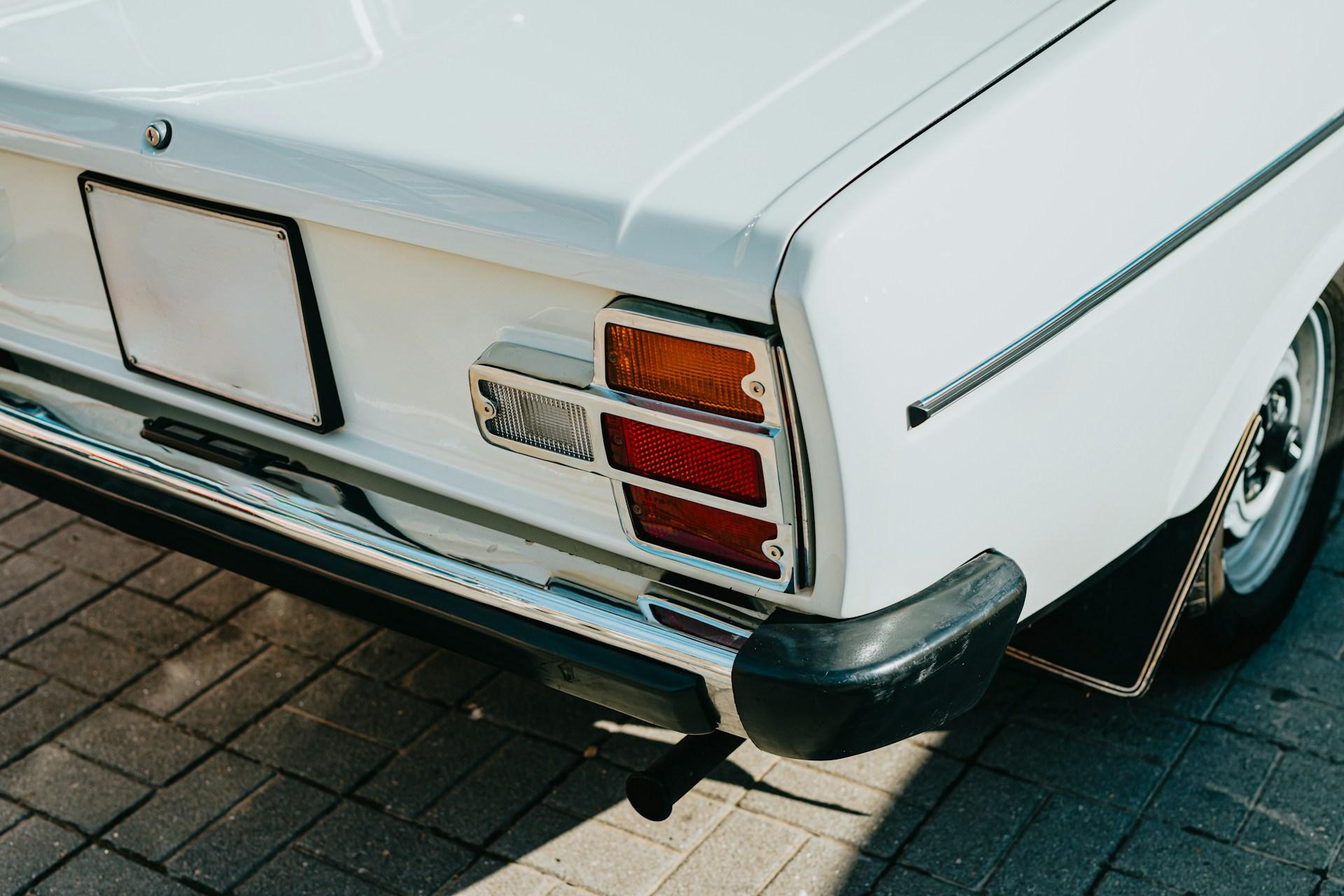
Tips for Handling Tricky Weld Lines on Classic Quarter Panels
Posted on: May 10, 2026 in Guides
Quarter panels take a lot of wear, and replacing or patching them often includes some welding. That’s where problems can start. The welds might look fine at first, but once primer and paint are applied, they can end up showing through. That can slow things down or cause redo work later. Knowing how to handle seams around quarter panels is one of those skills that helps everything fit cleaner by the time you’re painting.
We’ve worked with enough classic car quarter panels to know that prepping ahead of welding makes all the difference. Whether you’re replacing a full panel or just doing a corner repair, it’s often not the welding itself that creates issues, but what happens before and after. At Classic Body Parts, that starts with solid base metal, including Dynacorn quarter panels for popular models such as 1968-69 Chevrolet Nova and 1963 Chevrolet Impala.
Dealing with Old Panel Edges
Fixing old seams or working from previous patch jobs can throw off the shape and thickness of the panel. Sometimes the metal near the weld is thinner than you think, especially after years of moisture, layers of filler, and exposure to heat. That’s why it’s better to cut back slightly beyond the last visible damage to reach solid, clean metal.
Here’s what helps when working the edges:
- Trim back to clean base metal so the weld has something to hold
- Test-fit replacement panels before cutting final shapes to match curves
- Use a wire wheel or sanding disc to clean both edges before welding
Leaving contaminants behind like paint, undercoat, or surface rust can weaken the weld and create bubbles or flaking beneath primer. Cleaning with a flap disc and laying panels together with some overlap or butt weld spacing gives welds better support.
Welding Practices That Make Fitment Easier
The way metal gets welded changes how well everything lines up. Some people rush through by laying longer beads, but that can overheat the steel. Quarter panels are wide and tend to warp with excess heat, making them a pain to realign afterward.
We think of it as a step-by-step process for steadier fitment:
- Use tack welds instead of long beads to limit how much heat builds up
- Always move around the panel as you work, never welding too long in one area
- Clamps and support points help keep edges flat and shaped while you work
Mixing in stitch welding between tacks can add strength without putting too much tension into the sheet metal. When possible, try to work a few inches at a time, moving to opposite ends between welds so no section gets hotter than it should.
How to Hide Weld Lines Before Primer
Once welded, the seams need to be flattened. But grinding too deep can thin the panel or create low spots that sag under primer. This is where careful smoothing pays off. You don’t want to leave ghost lines under your base coat.
Here are some ways we clean up seams without overdoing it:
- Grind welds flush with a flap disc, not a grinding wheel, to avoid gouging
- Apply just enough body filler to skim over cleaned seams and feather edges
- Use a guide coat and block sanding to check that surfaces are flat
The trick is being patient. Letting the metal cool fully before sanding keeps it from shifting again or revealing high points later. It’s easier to uncover flaws with a solid guide coat and some cross sanding than finding them after paint.
Getting Quarter Panels Ready for Paint
Primer can highlight mistakes if the surface under it isn’t ready. Weld spatter, pinholes, and filler spread marks show right through once you spray. By prepping everything smoothly at this stage, you save yourself from chasing flaws later during finish sanding or top coats.
We double check the following before moving on to primer:
- Every welded section is sealed to keep moisture out of the seams
- Welded lines match the panel’s natural curves and don’t show dips or bulges
- Gaps around the edges are even when doors, trunk lids, or adjacent panels are shut
Nothing shows off a mistake like glossy paint and reflections. If there’s even a slight sag near the rear corner or uneven seam behind the wheel, it shifts how the light hits the surface. That’s why this step takes time. You have to check from different angles, even with a flashlight or sanding block edge, to be sure the surface is actually level.
Smooth Finishes Start with Better Welds
Hard lines don’t have to ruin the look of a new panel. When we smooth weld seams right, the results always look cleaner and last longer under paint. It’s not about making the weld invisible by magic. It’s just sanding them right, checking panel shape as we go, and not skipping the sealing or blocking steps.
Getting classic car quarter panels to match original body lines is harder if the prep gets rushed. But when we take the time to align panels, control heat through the welds, and smooth everything out one step at a time, the difference shows from any angle. Gloss or matte, clean weld work always builds a better foundation for the finish that follows.
Working through panel fitment or smoothing out hard seams gets easier with the right parts, and we stock high-quality sheet metal and body panels for solid repairs on classic car quarter panels. You’ll find trusted names like Dynacorn and OER, making it easier to match original lines without the need for constant reshaping. At Classic Body Parts, we focus on quality that fits the first time, so if you’re planning a restoration and want expert guidance, our team is ready to help.
Related Articles

Why Classic Car Restorers Trust OER for Accurate Reproductions
When working on a classic car restoration, reproduction parts fill gaps where originals are gone or too damaged to reuse. […]

Understanding Firebird Body Panel Differences by Model Year
Restoring a Firebird is about more than just getting the car to look how it did when it rolled off […]
How to Avoid Sheet Metal Warping When Painting in Heat
Summer’s a good season for paint work, but high temperatures can quickly work against us. When we’re dealing with classic […]