


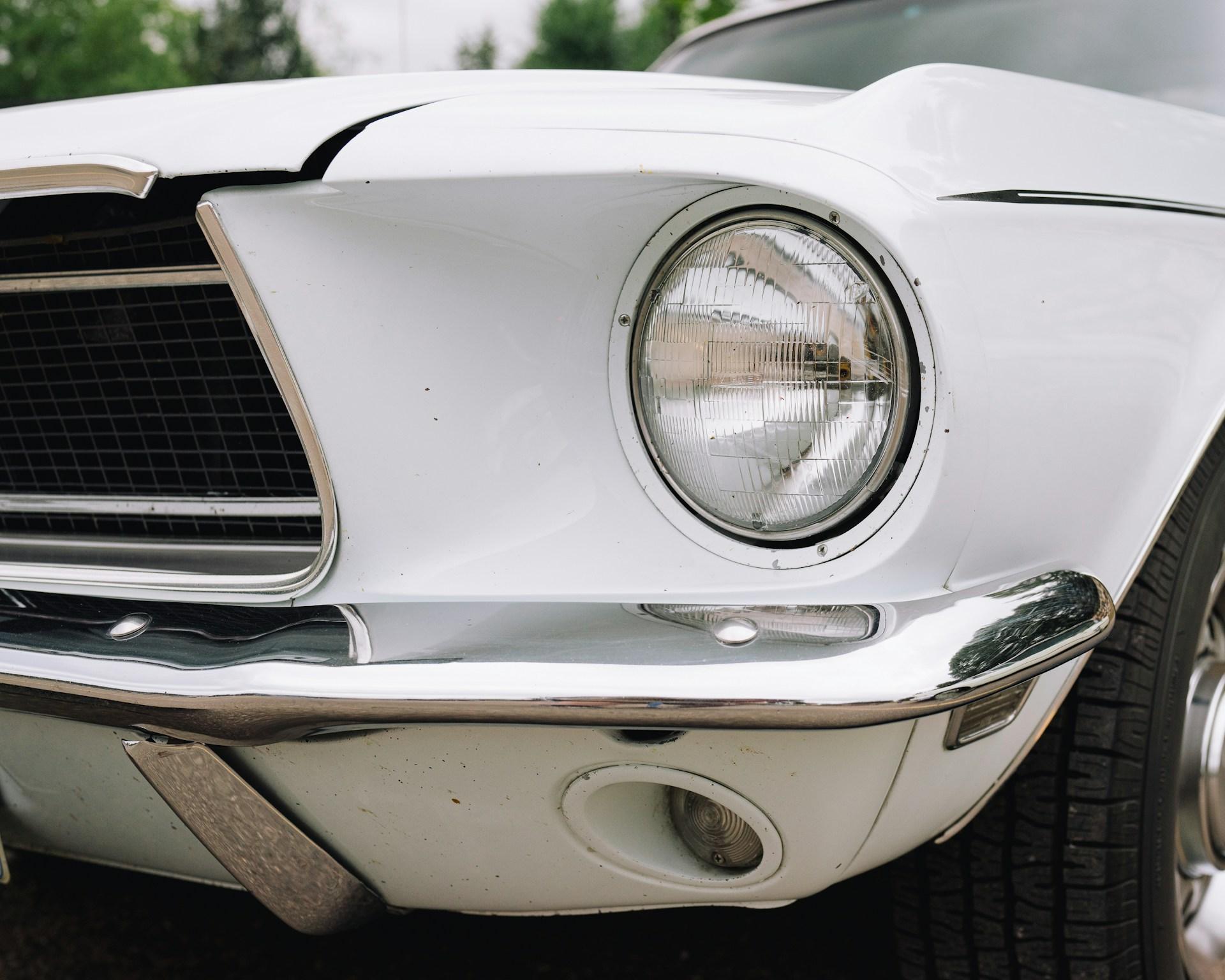
How to Match Reproduction Body Parts to Original Trim
Posted on: April 26, 2026 in Tech Tips
Get the Factory Look Without the Guesswork
Ordering a new fender, quarter panel, or trim set only to find out it does not match your car’s original lines is a fast way to kill motivation on a project. The gaps look off, the moldings do not land on the right body crease, and suddenly that “simple” parts swap turns into extra welding, filling, and frustration. Matching reproduction body parts to the correct trim level is not just a cosmetic detail; it affects value, authenticity, and how easily everything bolts together.
Whether you are building a solid weekend driver or aiming at concours judging, picking the right classic car restoration parts means understanding what your car really is and what it is supposed to look like. At Classic Body Parts, we focus on the details that separate a close enough fit from a factory-correct finish, and we work with brands like Dynacorn, OER, and RESTOPARTS. In this article, we will walk through how to decode your car, understand trim-level differences, read catalogs like a pro, verify fit before paint, and decide when it makes sense to keep things original or go custom.
Decode Your Vehicle’s Identity Before You Buy
Before spending a dollar on sheet metal or trim, lock down exactly what you are working with. Year, make, model, body style, and trim or option package all affect which classic car restoration parts will fit and look right. RS, SS, Z/28, Rally, Custom, Deluxe, base model, any of these labels can change the openings, moldings, and brackets your car needs.
Start with the VIN and cowl or trim tag. These usually spell out body style, engine codes, assembly plant, and sometimes interior or exterior trim information. If you are lucky enough to have a build sheet or original paperwork, compare that to the tags so you know what the car was when it left the factory, not just what it looks like now. Owner’s manuals and factory service manuals can also provide helpful diagrams and option breakdowns.
Pay special attention to:
- Mid-year changes: sometimes early-production cars get different sheet metal or trim than late cars
- Overlapping model years, where a “new” body style overlaps with leftover parts from the previous design
- Regional or factory variations that move moldings, side markers, or antenna locations
Once you know the original configuration, build a visual reference. Collect clear photos of verified-correct cars with the same trim level as yours, preferably from multiple angles. Factory brochures, parts books, and restoration guides are excellent backstops. When you start shopping for classic car restoration parts, you can compare moldings, emblems, and body contours on screen to what you see in those references and on your own car.
Understand Trim-Level Differences That Affect Panels
Trim packages are about a lot more than badges. They can change how the sheet metal is stamped, where holes are drilled, and which moldings or extensions the car uses. Two cars that look similar in profile might have very different needs once you look close.
Some common examples include:
- Sport or upscale models often use different rocker moldings, which require specific hole patterns in the lower fenders and quarter panels
- Rally or performance packages might add unique header panels, hood inserts or scoops, different front and rear valances, and special rear panel moldings
- Deluxe interiors sometimes tie into exterior pieces like wider or brighter window moldings, different pillar trim, or blackout panels that change how parts need to line up
Reproduction sheet metal is sometimes created around a single style that can be adapted for other versions. A quarter panel might come stamped with emblem holes for one trim, while notes in the description mention that you can weld and finish those openings for a different look. That can work well if you plan for it, but it is a headache if you were expecting a direct bolt-on.
When reading listings, watch for precise trim notes such as “fits RS only,” “for models with deluxe trim,” or “for cars with rear spoiler.” Those clues help make sure the panels and moldings you order match the trim level you actually have or are planning to build.
How to Read Reproduction Catalogs Like a Pro
Good reproduction catalogs and online listings are organized in a way that tells a story, if you know how to read it. Parts are usually grouped by year range, body style, and sometimes broken out again by trim level or early and late production.
In product descriptions, keep an eye out for:
- “Will not fit,” “requires modification,” or “for cars without…” phrases that spell out exact limitations
- Notes about emblem holes, side marker openings, antenna locations, and specific bracket provisions
- Mentions of OE-style versus custom-style versions of the same basic panel or molding
Part numbers can also give clues. Often you will see similar numbers for left and right sides, or for coupe and convertible versions. Just remember that mirrored part numbers do not always guarantee the same trim compatibility. A left-hand RS fender and a left-hand standard fender might differ only at the headlight opening, but that detail matters a lot once you bolt on the grille.
On our site, tools like filters, exploded diagrams, and brand-specific categories help narrow options quickly. We still recommend looking through multiple photos and angles when they are available, comparing them to your car and your reference material before committing.
Verifying Fit, Style, and Finish Before Bolting On
Once your parts arrive, the real test begins. Before any bodywork, filler, or paint, mock everything up. Clamp or lightly bolt panels and trim into place and take your time checking how each piece works with the next.
A practical test-fit routine might look like this:
- Hang major panels, such as fenders, doors, and quarters, with bolts started but not fully tightened
- Check body lines and gaps around doors, hood, and deck lid, adjusting as needed
- Tape or gently attach moldings to confirm they land on the correct body crease and meet at the right points
- Compare new parts to any original pieces you kept, checking contours, creases, and mounting holes
Finish and texture matter just as much as fit. Chrome, brushed aluminum, stainless, and blacked-out trim should have a consistent look across the car, especially if you are mixing original and reproduction pieces. One off-color molding can stand out more than an entire panel replacement.
Minor tweaks, such as lightly elongating a mounting hole or shimming a bracket, are fairly common in restoration work. What you want to avoid is trying to force a part that is fundamentally wrong for your trim or body style, like a panel with missing spoiler mounting points when your build requires them. Keep packaging and paperwork in good shape until you are sure the part matches your plan, so you still have options if a return is necessary.
When to Upgrade, Modify, or Keep it Original
Not every project aims for a factory-stock restoration. Many builders mix and match trim styles, like pairing an aggressive front end with a different badge package or switching bright trim to blackout for a cleaner look. The key is to make those changes intentional, not accidental.
Before ordering, decide on a theme for the car:
- Factory-correct or near-stock
- Period “day-two” look, with vintage-style upgrades
- Pro-touring or performance-oriented
- Full resto-mod with modern touches
Once you know your direction, you can choose panels and moldings that support that vision. OE-style classic car restoration parts are built to mimic original contours, mounting points, and finishes, which makes them easier to blend with surviving factory components. Custom or resto-mod parts might delete moldings, change openings, or add modern features, which may affect their compatibility with original trim.
Whichever way you go, document your choices. Keep a record of part numbers, brands, and any modifications you make. That way, future repairs or upgrades, and even the next owner, can match what is already on the car instead of guessing.
In the end, turning a stack of reproduction parts into a car that looks factory-correct from every angle comes down to preparation and attention to detail. Learn what your vehicle is supposed to be, study the trim differences, read catalog notes carefully, and never skip the test-fit stage. The reward is a classic that looks right, drives right, and holds its value, all built with the classic car restoration parts that truly fit your vision.
Get Started With Your Project Today
Bring your build closer to the road with the right parts from Classic Body Parts. Browse our curated selection of classic car restoration parts to find panels, trim, and components that actually fit and perform. If you need help choosing the best options for your vehicle, just contact us and we will walk you through the details.
Related Articles
Why Classic Car Restorers Trust OER for Accurate Reproductions
When working on a classic car restoration, reproduction parts fill gaps where originals are gone or too damaged to reuse. […]
Understanding Firebird Body Panel Differences by Model Year
Restoring a Firebird is about more than just getting the car to look how it did when it rolled off […]
How to Avoid Sheet Metal Warping When Painting in Heat
Summer’s a good season for paint work, but high temperatures can quickly work against us. When we’re dealing with classic […]