


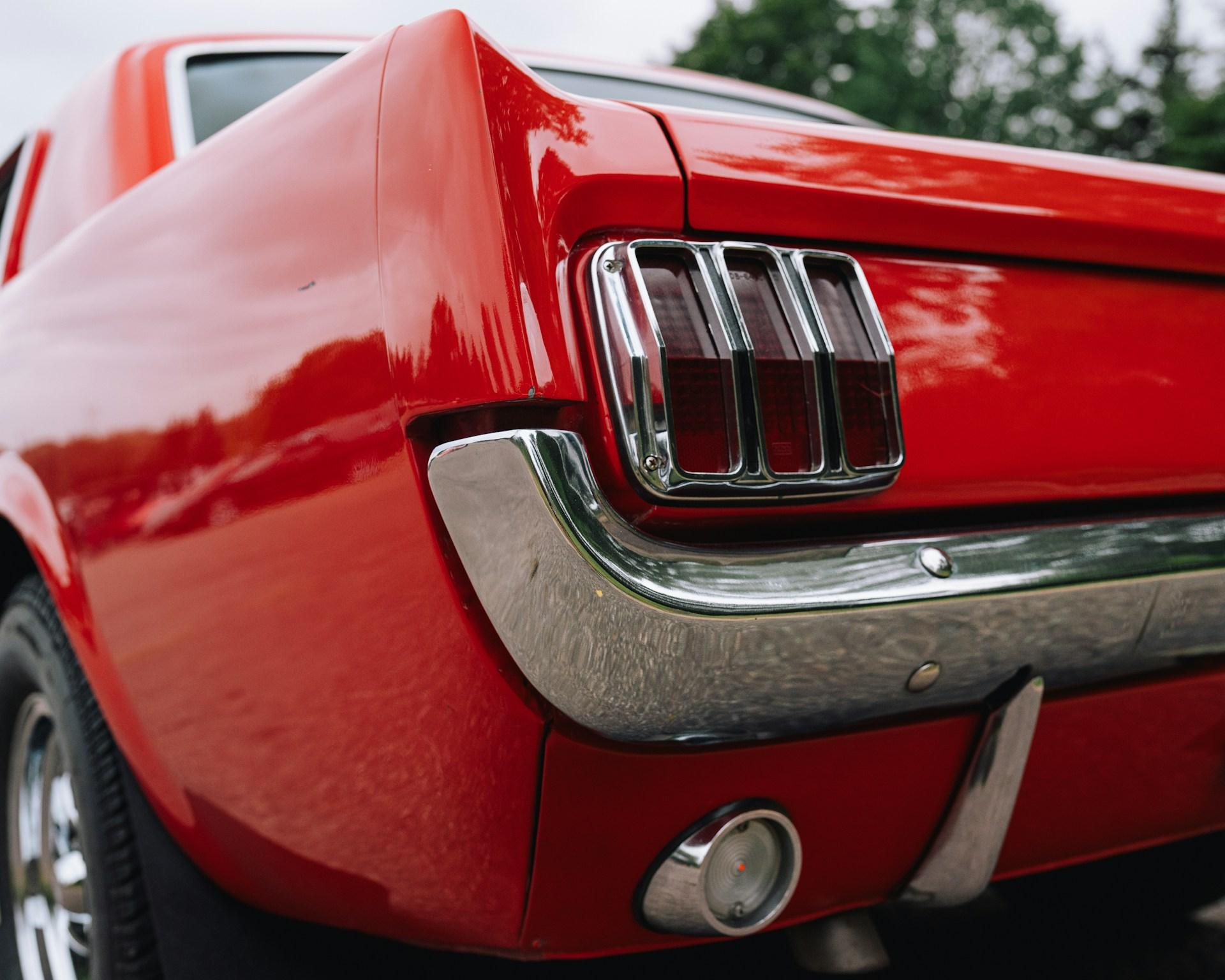
Common Mistakes When Choosing Classic Mustang Conversion Kits
Posted on: May 3, 2026 in Tech Tips
Trying to pick out the right conversion kit for a classic Mustang can feel like you’re sorting through a puzzle with missing pieces. With so many parts out there and every build a little different, it’s easy to run into problems if you grab the wrong components. We’ve seen a lot of avoidable issues happen when people rush the process or mix parts from different sources.
Using well-fitted, high-quality body parts during these upgrades can mean the difference between a clean fit and spending twice as long fixing problems later on. So before jumping into that kit, it helps to slow down and look out for some of the most common mistakes. Starting with the right classic Mustang body parts makes the rest of the build a whole lot smoother.
Improper Fitment from Mixing Brands
One of the first places things go sideways is when builders start grabbing parts from different brands without thinking about fit. Even when the product looks right, it might not measure up once it’s on the car. We’ve seen panels that need extra cutting or shimming just to sit flat. That all adds time, expense, and frustration.
Using parts that were stamped by one company and trying to match them to panels made by a different supplier can lead to:
- Misaligned body gaps between fenders, hoods, and doors
- Bolt holes that don’t line up or sit at the wrong depth
- Uneven lines across panels that can’t be corrected with adjustments
To sidestep these headaches, stick with one trusted brand of parts that matches your Mustang’s specs. Starting with panels designed to work together helps keep everything straight during installation and makes the final fit cleaner. At Classic Body Parts, that includes Dynacorn components such as 1965-66 Mustang front fenders and 1967-68 Mustang door shells that are kept in stock with typical ship times of about three to five business days, so you can plan major body changes with fewer delays.
Overlooking Core Body Panel Condition
A shiny new hood or fender won’t do much good if it’s being bolted onto a structure that’s worn out. That’s where many builders run into trouble. They focus on the outside parts without checking the condition of what’s underneath.
Hidden rust in the floor pans, cracked door frames, bent rocker panels, these all make it hard to get proper alignment. Even a small issue in one spot can throw off an entire row of panels. Before adding new parts, it’s important to know what kind of surface and structure they’re going onto.
Here’s where to check carefully before installing a kit:
- Floor pans should be solid, especially at the corners
- Rear quarter panels need to be checked for bubbling or signs of past patchwork
- Inner door frames and hinges should move freely with no sagging
Conversions tend to highlight old flaws in the shell. That’s why every good build begins by sorting out the foundational pieces first. A strong, clean surface sets the tone for the rest of the job.
Focusing Too Much on Performance Parts First
Another common misstep is jumping straight to engine upgrades and suspension kits, especially on cars that haven’t had bodywork done yet. There’s nothing wrong with boosting a build’s performance, but bolting in a big motor or swapping discs onto a frame won’t help if your hood won’t close properly or your fender gaps are half an inch off.
What usually happens is this:
- The drivetrain goes in first, causing some to trim panels just to make room
- Aftermarket suspension alters original mounting positions, pulling panels out of alignment
- Important body pieces like wheel openings or firewall spaces don’t match the new gear
Conversion kits might seem simple on paper, but when mounted on warped or misfitting panels, they can become a mess. Working with the right body parts early helps avoid these problems down the line. It keeps every piece centered and makes space for upgrades without major modifications.
Assuming All Classic Mustang Body Parts Are the Same
It’s easy to think a fender is just a fender or that all cowls or quarter panels are built about the same. But we’ve found that not all classic Mustang body parts are equal when it comes to quality or accuracy.
Lower-cost panels may seem fine at first glance, but when it comes time to mount them, they tend to show their flaws. Gaps can look too wide or uneven, corners don’t meet clean, or the shape could be slightly off, making more work during prep and paint. That’s the kind of detail that only shows up when the car’s halfway through the job.
Top-tier stamped panels like those from Dynacorn stand out because they follow the original factory lines more closely. They use a thicker gauge, tighter bends, and better finish quality right from the start. That means fewer headaches and less filler work just to make things fit. Classic Body Parts backs these upgrades with options like Dynacorn 1969-70 Mustang fastback quarter panel skins that are manufactured to meet or exceed OEM specifications for fit and appearance.
Here are a few signs of better parts:
- Heavier, more solid feel with cleaner edges
- Holes that line up as expected with the stock brackets
- No warping or twist when placed against the body
Cutting corners on body panels might save a few bucks early, but fixing poor fitment takes more time and energy than it’s worth.
Smart Builds Start with Better Choices
Most of the problems we’ve seen with conversion kits aren’t because someone picked the wrong car or the wrong upgrade. They come from trying to piece together something with parts that just don’t want to work together.
Avoiding the common mistakes, like mixing brands, skipping structural checks, or waiting too long to do the bodywork, helps your project move more smoothly. It reduces unexpected delays and keeps your car closer to its original shape.
The builds that go best start with parts that match well, hold their shape, and follow the design of the original Mustang. Once the shell is straight and strong, the rest has a much better chance of going as planned. That’s how we help set the stage for cleaner lines, better fitment, and fewer do-overs as your restoration moves forward.
Starting your Mustang restoration with the right parts makes all the difference. At Classic Body Parts, we focus on quality and fitment so your project stays on track without surprises. Whether you’re tackling floor pan repairs or replacing outer skins, choosing the correct components saves time and prevents unnecessary rework. Browse our full selection of classic Mustang body parts to find panels that fit your build, and reach out if you need help finding something specific.
Related Articles
Why Classic Car Restorers Trust OER for Accurate Reproductions
When working on a classic car restoration, reproduction parts fill gaps where originals are gone or too damaged to reuse. […]

Understanding Firebird Body Panel Differences by Model Year
Restoring a Firebird is about more than just getting the car to look how it did when it rolled off […]
How to Avoid Sheet Metal Warping When Painting in Heat
Summer’s a good season for paint work, but high temperatures can quickly work against us. When we’re dealing with classic […]