


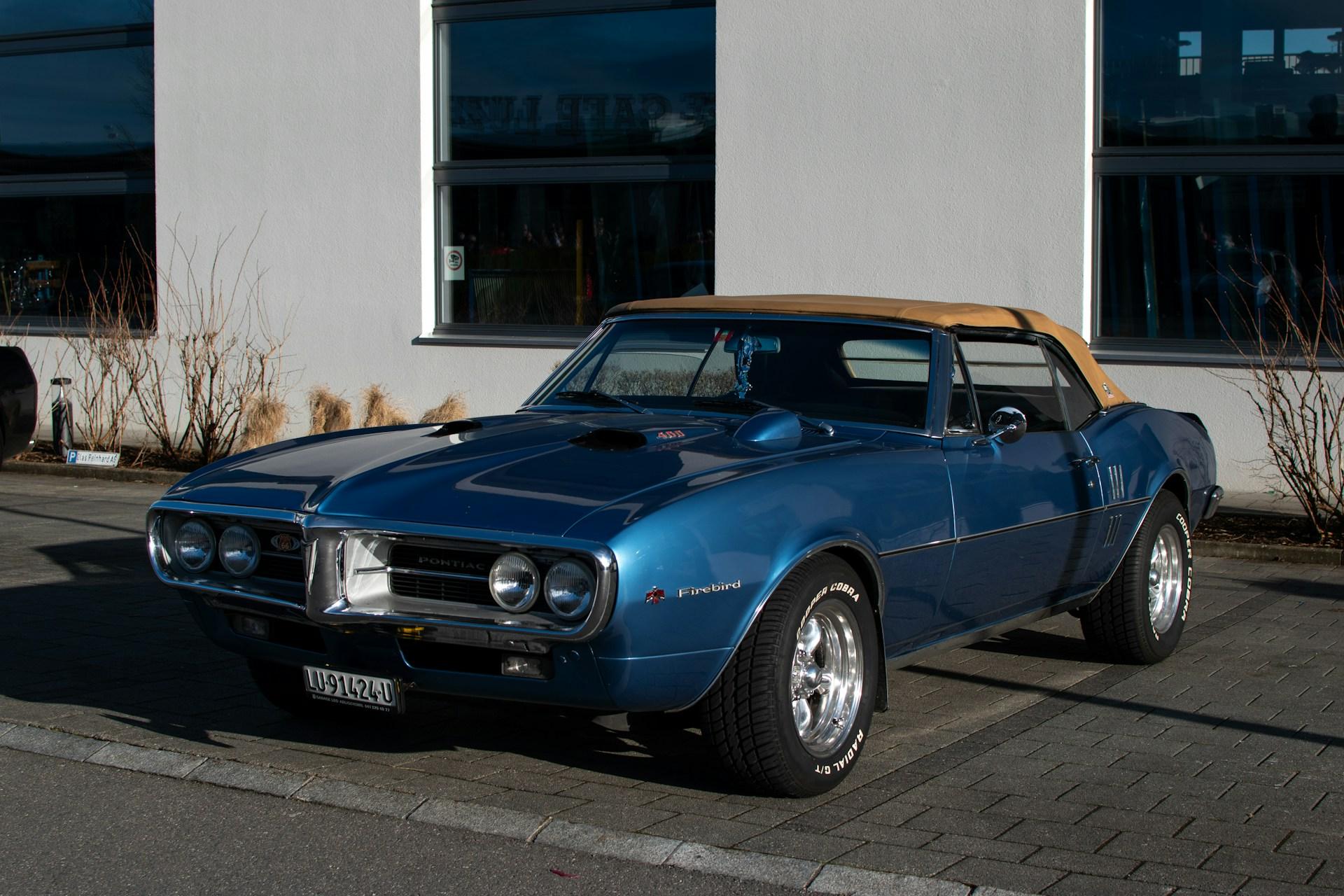
Understanding Firebird Body Panel Differences by Model Year
Posted on: July 12, 2026 in Guides
Restoring a Firebird is about more than just getting the car to look how it did when it rolled off the line. The real work starts with figuring out how the parts fit together, especially when it comes to body panels. Firebird body parts changed more often than many realize. Small differences in design and structure from one model year to the next can create issues if you’re not paying attention. Many restorers run into trouble with quarter panels, wheel wells, or fenders that seemed close enough, but once installed, do not line up right. Knowing what to expect by model year helps you get a clean, solid fit the first time, with less grinding, cutting, or adjusting later. Keeping the details organized saves time and money, and keeps the integrity of the car intact.
Model Year Changes: 1967 to 1969 Firebird
The first-generation Firebirds (1967 through 1969) may look similar from a distance, but each year brought a few subtle shifts that matter when working on body panels.
All three of these years used the same basic body structure, but the front-end design saw noticeable changes:
- 1967 had vent windows in the doors, and the front fenders featured small notches for those vents.
- In 1968, Pontiac removed the vent windows, changing the shape of the doors and altering the fender alignment.
- For 1969, the entire front end was changed, including a unique grille setup and more pronounced body lines in the front fenders and hood.
The tail end changed too. Quarter panels on 1969 models were stretched differently to match the new rear valance and taillight design. Swapping panels between these early years typically means extra patching or modification, especially when dealing with 1969 parts, which do not match earlier models directly. The small changes add up quickly if you are not careful.
Second Generation Updates: 1970 to 1981
This generation lasted more than a decade and went through several phases. Although the overall body shape stayed similar from 1970 to 1981, the panel details shifted enough that you cannot just install any part from the same generation without checking the year it came from.
This group can be divided into three parts:
- Early years (1970-1973): These had round headlights and a tight front-end profile. The fenders, hood, and front bumper assembly were designed to work with this shape. Classic Body Parts stocks Dynacorn left-hand quarter panel skins for 1970 through 1973 Firebird models that are listed in stock with typical ship times of about three to five business days, giving year-correct coverage for this early second-generation group.
- Mid-years (1974-1976): This era saw the first large bumpers added to meet crash standards. These changes required new fenders and core supports to handle the size and weight of the front and rear bumpers.
- Late years (1977-1981): These had squared headlights, a flatter nose structure, and more aggressive styling. The quarter panels and tail sections evolved to match the sharper design.
As safety and emissions regulations changed, Pontiac slightly narrowed or widened body elements, even within the same generation. Lining up doors or deck lids from different years often means extra work if the parts are not a direct match.
Third Generation Firebirds: 1982 to 1992
The 1980s brought a completely new shape. Firebirds entered the third generation with a sleek, flat-nose style and wraparound glass, moving away from the muscle look of the 1960s and 1970s. That shift resulted in big changes for Firebird body parts across the board.
Key details from these years include:
- Panels became more sculpted, and aerodynamics played a bigger role. This affected the lower rockers, door skins, and hoods.
- Ground effects became common and were integrated into the quarter panels and lower skirts. Some parts are unique to trim levels, not just each year.
- Molded plastics replaced much of the metal in bumper areas and side panels. Matching paint became more difficult due to different materials used across the body.
A fender from a 1983 base model will not swap over to a 1991 Trans Am and bolt in. Parts usually must match the model year and sometimes the exact trim level, especially near the headlights and rear flares.
Why Firebird Panel Variations Matter in Restorations
During a build, it is common to hear someone say, “They all look the same.” That might be true if you are only going by general shape. When you go to align a quarter panel or align a door with a fender, differences quickly become noticeable. Firebird body parts often shift in small but critical ways from year to year.
Mismatched parts can cause various issues:
- Quarter panels may connect to different inner structures you cannot see at first.
- Hood lines may change in peak or slope, causing them to sit wrong on older or newer fenders.
- Headlight buckets or indicator openings will not align with grilles from a different year.
Even staying within one generation, it is risky to assume parts will work across model years. Double-checking and selecting panels built for the specific year is the best practice. The better the fit, the cleaner the results.
Get a Cleaner Fit by Choosing Panels That Match the Year
Matching body panels to the correct model year makes the installation easier and improves the accuracy and quality of the restoration. Small adjustments to shape or trim area may seem like minor headaches at first, but over a full build, they add up to wasted time and costly detours. If the metal does not sit flush from the start, paint and prep cannot fix that.
Benefits of choosing year-matched panels include:
- Corners align with less filler required.
- Doors fit more naturally in the jamb without hinge adjustments.
- Gaps stay more consistent, which reduces final adjustment time.
High-quality stampings from reliable manufacturers let most parts fit into place as intended, but only if they match the year. Guesses do not work here. Matching year to year early in the build keeps the process efficient and avoids frustrating setbacks later.
At Classic Body Parts, we know how important it is to match body panels by year for a quality build, whether you are just starting or in the middle of a project. We focus on parts that fit correctly from the start, so your classic model comes together smoothly with clean lines and tight gaps. Our catalog includes Dynacorn Firebird quarter panel skins tailored to specific second-generation years along with thousands of other Dynacorn components, so you can keep panel fit consistent across your project. Explore our inventory to find the full range of high-quality Firebird body parts, and if you are unsure about what works for your specific year, let us know. We are here to help you get the perfect fit.
Related Articles
Steps to Install Full OER Sheet Metal Kits on Classic Builds
Restoring a classic car is a real investment in time and care. For many of us, the work isn’t just about bringing back something old, it’s about making it st…
How to Restore a Classic GTO After Panel Removal
Restoring a classic GTO after the body panels are removed can feel overwhelming at first. You’re staring at a bare frame or skeleton of what was once a beaut…
Tips for Getting Even Panel Gaps on Vintage Truck Bodies
Lining up body panels on a vintage truck can be one of the trickier parts of a restoration. It seems […]