


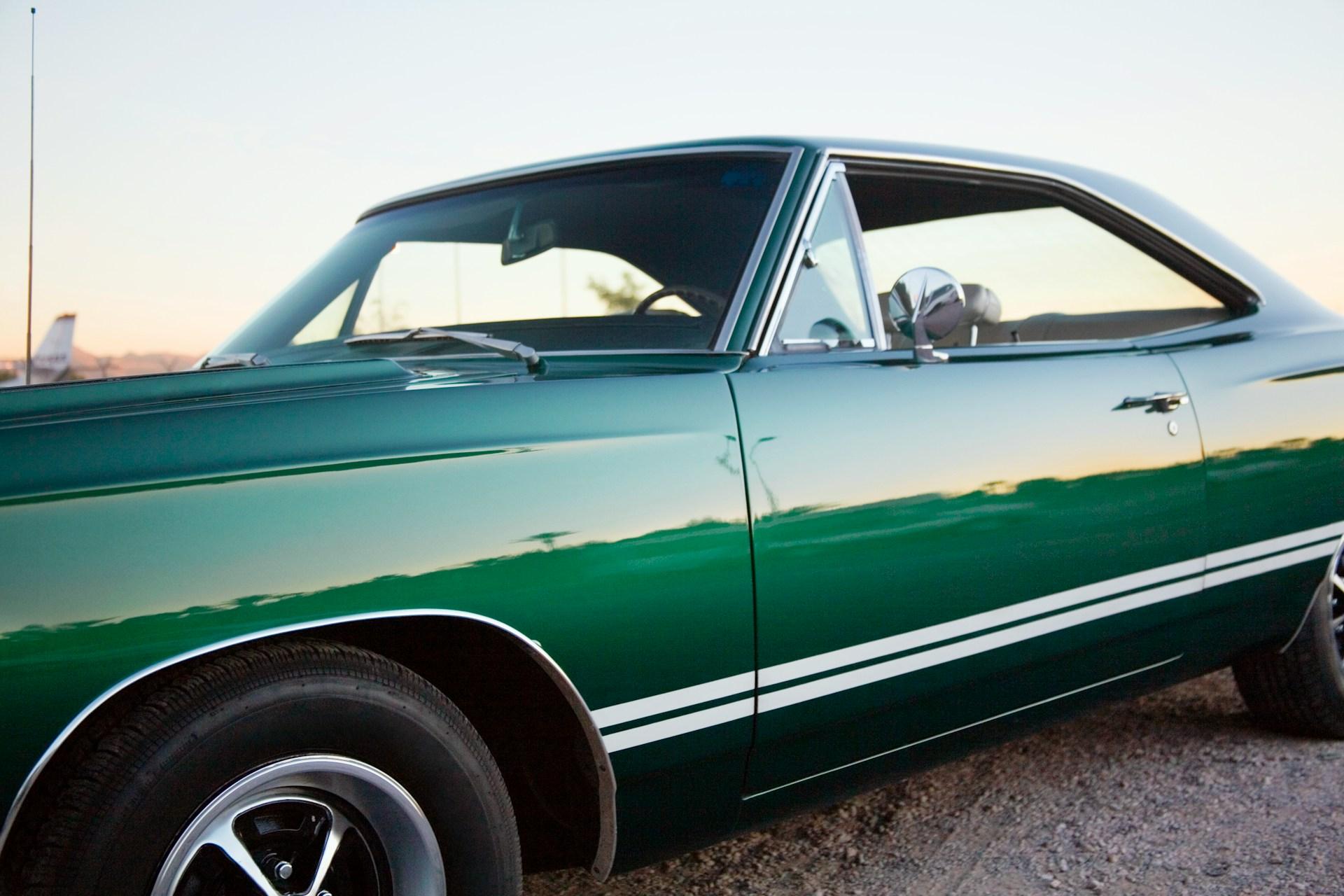
What Makes Dynacorn Panels a Good Fit for Mopar Builds
Posted on: August 16, 2026 in Restoration Guides
When restoring a Mopar, one thing becomes clear fast. Panel fitment makes or breaks how the whole project turns out. If the panels sit wrong, the car will always look off, no matter how good the paint is. Factory-style fit and clean seams shape the look, value, and how the rest of the build flows. That’s where Dynacorn body parts come in. They’re trusted by people who’ve been through more than one build and know how much easier things go when the steel is straight and true.
Whether you’re tackling a full rebuild or replacing rusted corners, choosing the right panels saves time and frustration. Everything from the hood to the quarter panels sets the baseline for alignment, trim, and prep. If the metal doesn’t match up from the start, the fixes never stop.
Why Mopar Builds Require Precise Panel Fitment
Mopar cars, especially from the 1960s and 70s, don’t follow the same patterns as GM or Ford builds. The body lines, curves, and inner bracing are shaped a little differently. Even similar-looking years can have slight differences that mess with the way panels sit. By now, most of these cars have had a few decades of exposure.
Common issues we see with Mopar bodies include:
- Rust at the lower quarters and around windows
- Dents from past accidents left hidden under filler
- Warping from previous patch jobs or moisture trapped in seams
When replacement panels aren’t made with these quirks in mind, it turns into a battle. Gaps at the doors get uneven. Trim doesn’t sit flush. Bolt holes don’t line up. Even installing the windshield can turn into a bigger job than expected. That’s why accuracy matters more when working on classic Mopars. There’s less room for shortcuts.
What Sets Dynacorn Panels Apart from Other Options
There’s a big difference between panels stamped to fit and panels that actually do. Dynacorn puts effort into making sure each piece keeps the shape, thickness, and line of the original sheet metal. That’s not just about how they look on the outside. It’s about how they fit with everything underneath.
Here’s what makes Dynacorn panels worth considering:
- Accurate body lines that match factory curves
- Steel that keeps the original gauge and weight
- Consistent fitment from one panel to the next
This consistency makes it easier to line up a rear quarter to the trunk drop or match a front fender to a door without chasing gaps. When all the parts follow the same specs, they work together without constant reshaping or welding extra flanges.
Matching Panels for Better Paint and Bodywork Results
One of the biggest problems with uneven or warped panels comes later when it’s time to prep for paint. If the metal isn’t smooth or lined up well, you end up using more body filler, sanding longer, and trying to fix something that should have been right from the start.
Using panels that match correctly helps in a few ways:
- Less filler needed when gaps are consistent
- Less sanding and edge reshaping between panels
- Tighter seams help primer and paint stick evenly
Tighter tolerances also mean panels won’t shift as easily after paint cures. That’s important when the finish starts to harden and shrink. If something moves at that point, you’ll see it in the paint lines right away.
Smooth steel also saves time during primer and sanding stages. Less surface defect means you don’t have to block and re-smooth as much. That adds up when you’re working across full sides of a car.
Ideal Timing for Body Panel Replacement in Late Summer
Late August is a good window to sort out body panel fitment ahead of cooler months. At this point in the season, the temperatures are steady but not so hot that panels become hard to handle. Warm days work well for test fitting since the steel won’t expand or contract too much. That makes it easier to get a sense of how panels will sit once you’re ready to weld or mount them more permanently.
Other reasons late summer works well for panel prep include:
- Mid-range humidity helps with surface sealing
- Comfortable work conditions for sanding and alignment
- Time to test fit and rework issues before colder fall weather arrives
By checking stocks and starting panel work before fall, you get ahead of delays. Once cooler temps return, sealing and painting become trickier, and the chance of trapped moisture increases. Getting parts fitted now makes it easier to focus on prep and paint later without battling the weather.
A Clean Fit That Makes the Rebuild Easier
There’s nothing flashy about well-fitting body panels, but they make every step of a Mopar rebuild smoother. Choosing Dynacorn body parts means panels arrive true to shape, easier to align, and ready to take paint without a fight. The payoff comes later, when doors close with the right sound, trim clips in without a struggle, and the finish lays down cleaner. It doesn’t cut corners, but it does cut hassle.
The confidence that comes from knowing every panel has been made to factory standards gives extra assurance to your rebuild project. Taking your time with aligning each piece results in smoother transitions and ultimately a more impressive finish.
Keep your Mopar project running smoothly with our wide selection of parts that match the original fit and feel of factory metal, including trusted options like Dynacorn body parts designed for strength, precision, and excellent results. At Classic Body Parts, we’re here to help you find the perfect fit right from the beginning. Contact us today to discuss your next steps.
Related Articles
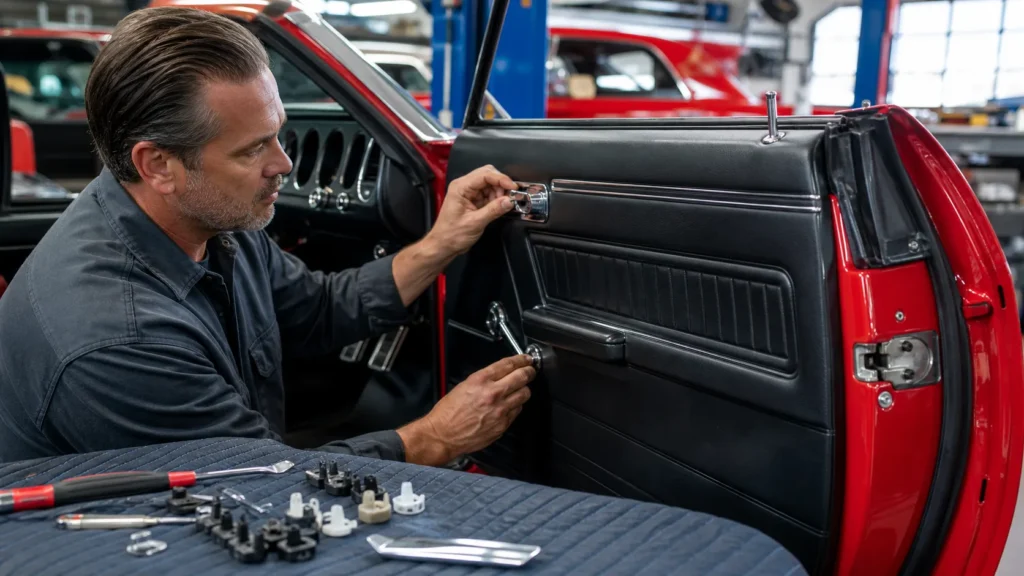
Guide to Checking Door Panel Hardware on Classic Muscle Cars
Classic muscle cars deliver power, sound, and character. But behind the big engines and polished paint, it’s the small things like hardware that keep everyth…
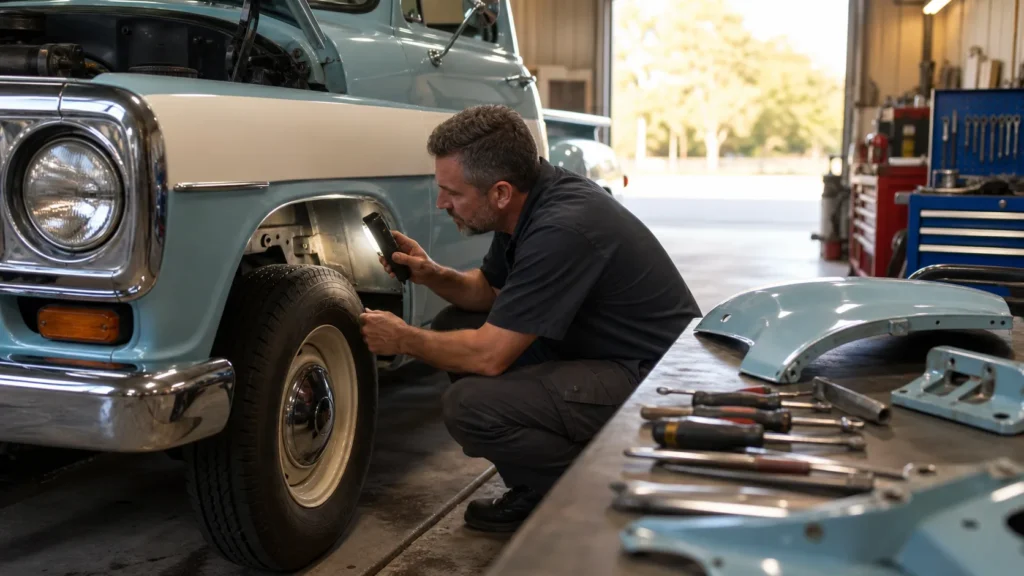
What You Should Inspect in Truck Fenders Before Winter
Truck fenders take on a lot over the year. Rain, mud, road salt, loose gravel, heat cycles: all of it slowly wears them down. But when colder weather starts …
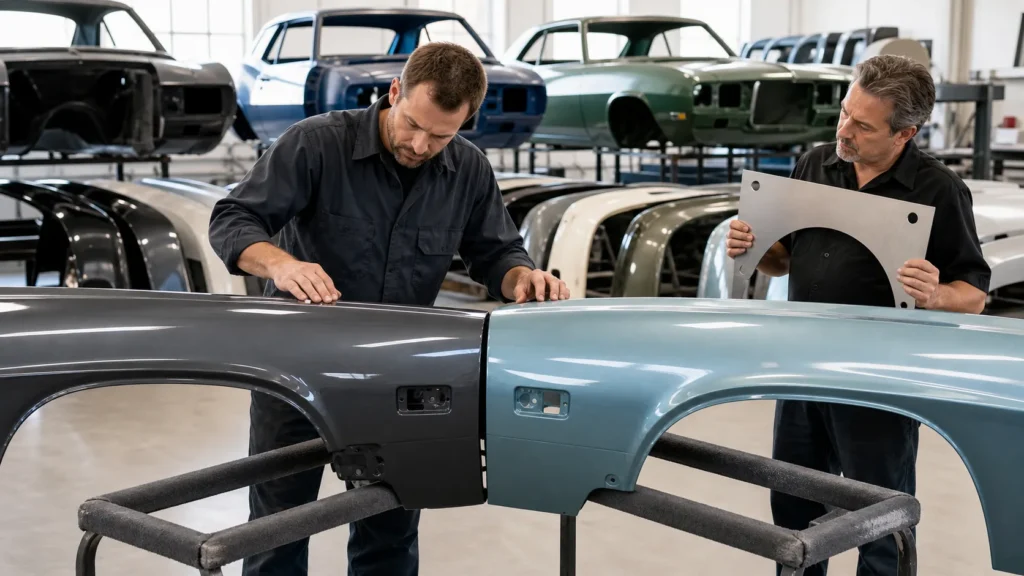
Understanding Camaro Body Panel Years for Accurate Matching
Matching Camaro body panels by year isn’t always as simple as it sounds. From the outside, many model years may look similar, but small shifts in body lines,…