


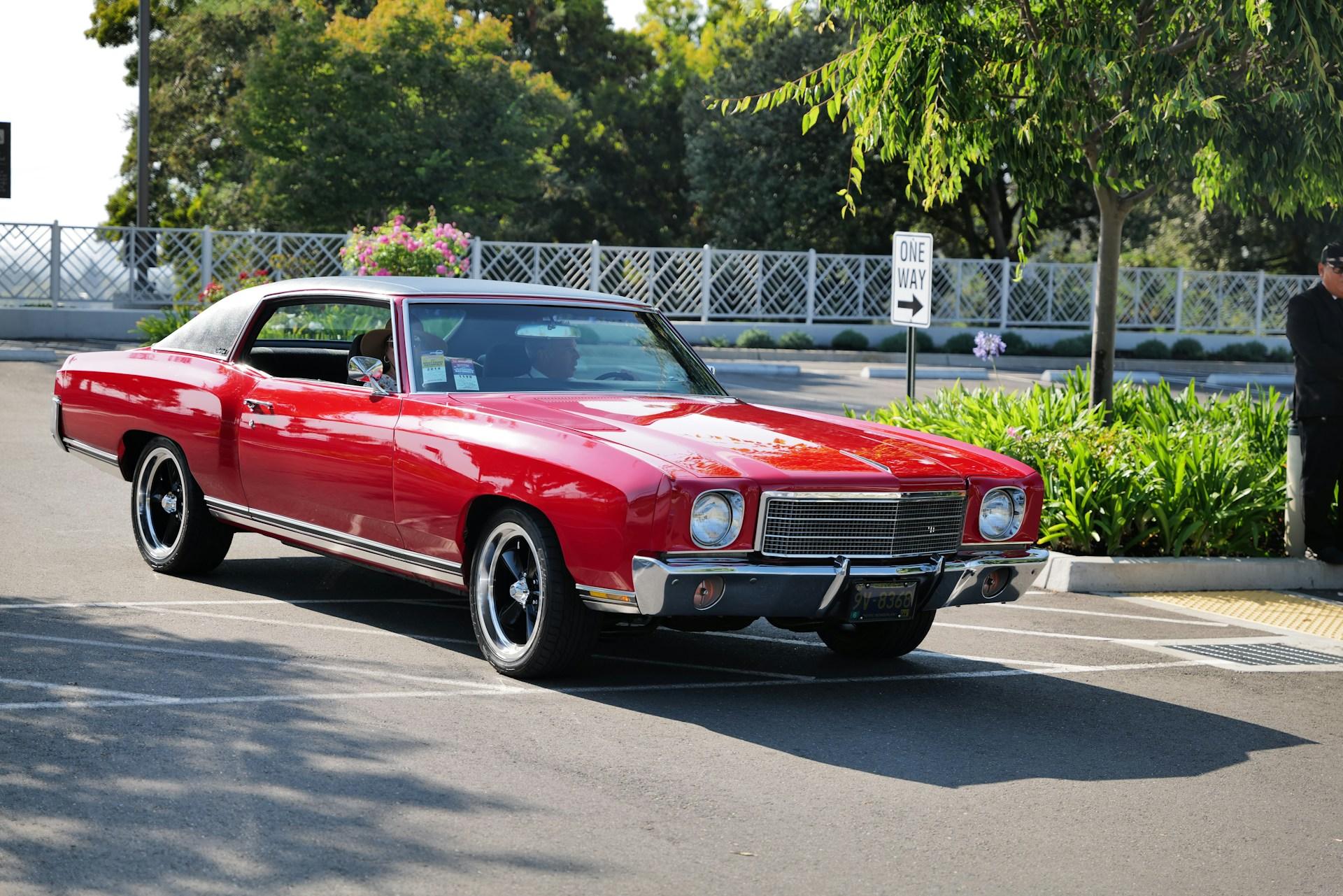
Why Your Classic Car May Need Fender Adjustments Before Fall
Posted on: August 30, 2026 in Restoration Guides
Fenders do more than shape a classic car’s look. They guard against road grit, shield inner panels from splashback, and keep wheel wells protected. But with time and changing temperatures, they do not always sit like they used to. By the time fall rolls around, we start to notice shifts in how our fenders line up. Sun, heat cycles, and rough roads from the summer months can put stress on seams and loosen mounting points. When that happens, fender misalignment throws everything else out of balance.
Getting in front of small panel problems before the weather turns cooler helps us avoid bigger issues down the road. When it comes to classic car fenders, adjusting things now means better fitment, tighter seals, and less hassle once rain and wind settle in.
Fender Shifts Happen Over Time
Classic cars are built tough, but fender fitment still changes just from sitting, storage, or age. Once a fender begins to sag or tilt, the whole side profile can look skewed. We see it most often in cars that have been through years of hot summers and cold storage seasons.
Here is why that happens:
1. Heat and temperature swings expand and shrink metal over time.
2. Old brackets and fasteners lose tension or may even rust through.
3. Bent or soft mounting points start to tilt the panel without showing obvious damage.
During fall prep, checking fender alignment can catch these problems early before they mess with other body lines.
Signs Your Fenders Might Need Realignment
Some signs are easy to spot, and others show up while you are driving. If something feels off, it is worth looking closer. A misaligned fender is not just about looks. It can grind against other panels or let water seep where it does not belong.
Look out for these red flags:
1. Uneven gaps along the edge where the fender meets the door or hood.
2. Trim or molding that sticks up or sits crooked.
3. Tires scraping inside the wheel well when turning.
4. Thumping or rubbing sounds that only happen on bumps or hard corners.
Catching these early means simpler fixes and fewer surprises when repainting or replacing trim later.
Why Fall Is the Right Time to Check Fender Fitment
Fall gives us a small break from heat and humidity. That makes it a smart time to check panel alignment and prep for any adjustment or replacement work. We are not dealing with warped metal from hot summer pavement, and surface prep is cleaner without sticky moisture in the air.
Here is how fall helps get better results:
1. Cooler weather keeps steel stable while test-fitting or adjusting.
2. Low humidity means better sanding, bonding, and sealing.
3. Getting panels sealed tight now prevents moisture from getting into seams during rainstorms and wind gusts.
4. Leaves and grime trapped in bad panel lines can hold water and damage inner panels over time.
We have seen how small changes in fender fit during early fall can prevent rust streaks, seal splits, and water traps over the colder months.
Better Results When You Use Quality Fender Replacements
Fixing panel gaps does not always come down to adjustment alone. Sometimes we are dealing with warped or failing parts that just will not line up right, no matter how careful we are with the bracket mounts. That is where better parts make the biggest difference.
When we are swapping damaged or rusted fenders, we look for stampings that match the original lines:
1. Dynacorn fenders follow factory shapes and curves, which makes them a clean fit.
2. Press-matched steel holds its form better once mounted and resists twisting during install.
3. Cheap replicas can dip or stretch under torque, which throws off the whole panel line even after mounting.
Using quality stamped replacements beats trying to refit or wrestle low-grade panels every time. That small difference goes a long way in keeping the side profile straight.
How Fender Adjustments Set the Stage for Other Body Work
Before we lay primer or mount that lower trim, fenders are the guide we work off of. If the fender is off, the door gap looks sloppy, and the bumper will never sit quite right. Fixing fender seams now gives us a cleaner base to build from.
A few ways fender prep helps future work:
1. Clean lines help us check if hood and bumper align without twisting mounts to compensate.
2. Proper fit keeps water from pooling inside overlapping panels during rain or freeze-thaw cycles.
3. Good alignment gives us fewer corrections when masking or spraying paint, which saves time and keeps the edge work looking better.
All it takes is a slight angle difference to throw off how grille trim or door edges match up. Getting fenders right now makes the rest go smoother.
Get Ahead of the Fall With Straighter Panels
We say the side profile of a car is only as good as its fenders. It is the piece that links the front clip to the doors, rocker panels, and everything past it. If the fender sags, every chance at straight lines from front to back goes with it.
We have found that late summer into early fall is the right time for squaring things up. The car has been on the road, so its heat cycles are settled, and the weather is mild enough for clean panel prep. Fixing fenders while the skies are still clear means we keep water out and give paint a better chance to hold through changing seasons.
A straight-fitting fender does not just look better, it sets up the whole car for future work done the right way. Once the seams line up tight and the gaps are good, every part around them fits a little cleaner.
Keeping body lines tight before the weather changes can mean the difference between a seamless restoration and tracking down issues later. When panels seem off or gap lines do not look quite right, it may be time to take a closer look at your fender situation. We offer a full range of parts built to factory specs, including options for anyone working with classic car fenders. At Classic Body Parts, we focus on body panels that make alignment straightforward from the start. Give us a call to discuss how we can help update your car with quality parts.
Related Articles
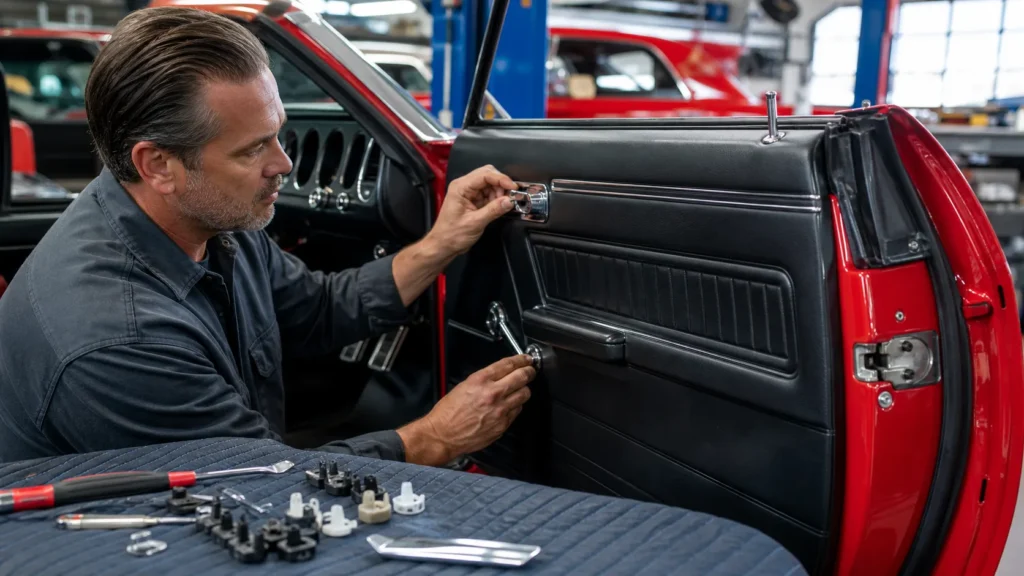
Guide to Checking Door Panel Hardware on Classic Muscle Cars
Classic muscle cars deliver power, sound, and character. But behind the big engines and polished paint, it’s the small things like hardware that keep everyth…
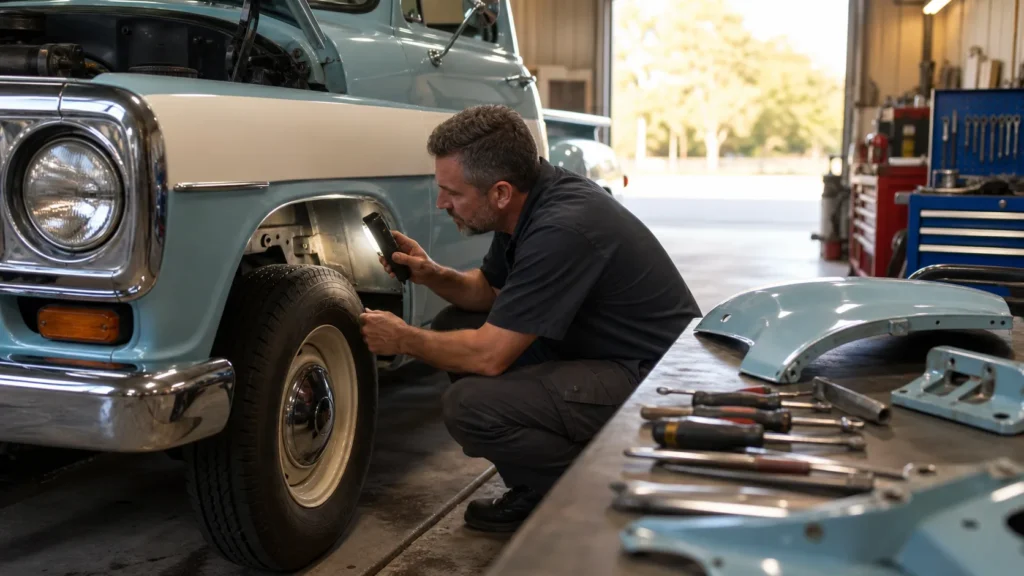
What You Should Inspect in Truck Fenders Before Winter
Truck fenders take on a lot over the year. Rain, mud, road salt, loose gravel, heat cycles: all of it slowly wears them down. But when colder weather starts …
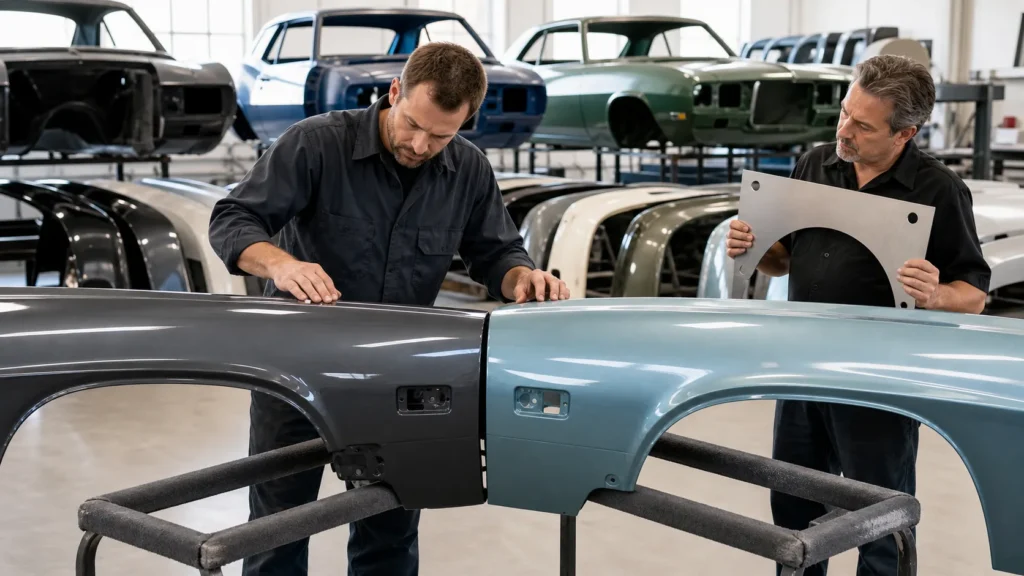
Understanding Camaro Body Panel Years for Accurate Matching
Matching Camaro body panels by year isn’t always as simple as it sounds. From the outside, many model years may look similar, but small shifts in body lines,…